
The current situation and challenges of ribbon waste
There are significant waste problems in the use of traditional ribbons:
• Standard-size ribbon mismatch with printer results in a large amount of offcuts
• The entire ribbon is not used up, resulting in expired waste
• Inefficient use due to irrational cutting
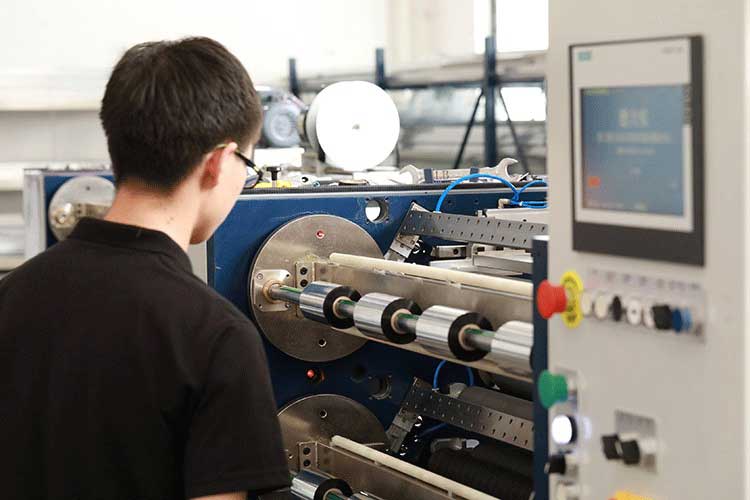
Environmental Advantages of Ribbon Slitting Machine
1. Precise cutting reduces material waste
• Customize the size according to actual needs to avoid unnecessary offcuts
• Maximize the use of ribbon materials and reduce waste
2. Extend the life of the ribbon
• The slitted ribbon is easier to use completely
• Reduce performance degradation and scrap due to long-term storage
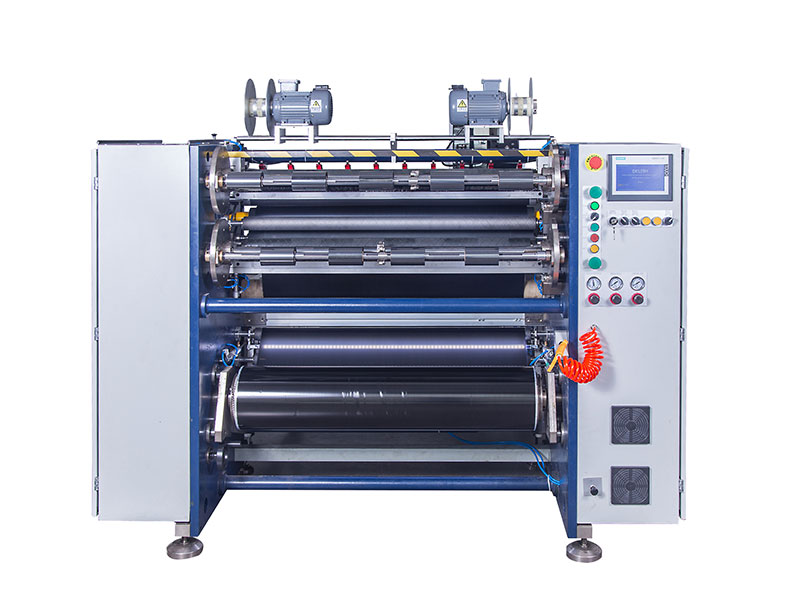
3. Energy and resource conservation
• The slitting process consumes less energy than traditional production methods
• Reduce carbon footprint during raw material extraction and transportation
4. Reduce waste disposal pressure
• Reduce the environmental burden of non-degradable carbon belt waste
• Align with circular economy principles
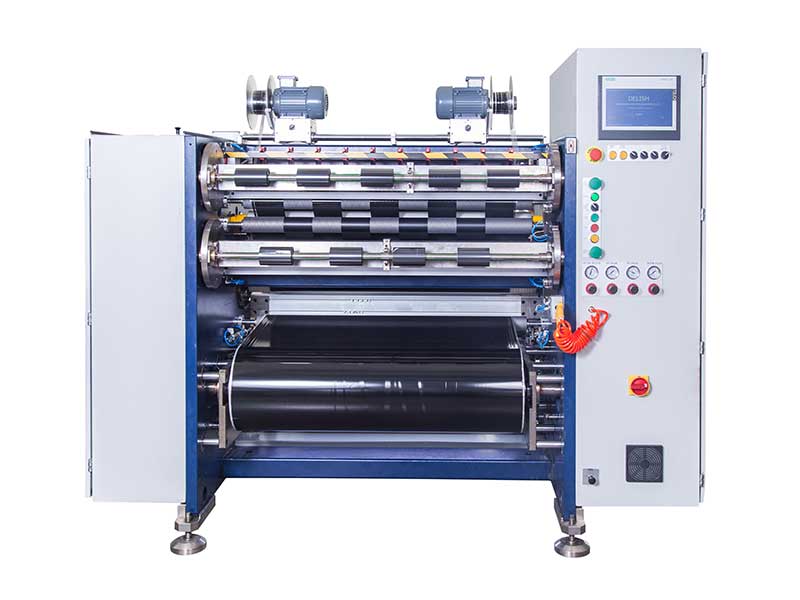
Implementation recommendations
1. Equipment Selection: Invest in an energy-efficient ribbon slitting machine
2. Operational training: Optimize the slitting process parameters to reduce defective products
3. Recycling system: Establish a waste carbon belt recycling and treatment mechanism
4. Data monitoring: track the efficiency of ribbon use and continuous improvement
By adopting ribbon slitting technology, companies can not only reduce production costs but also make substantial contributions to green manufacturing and sustainable development.
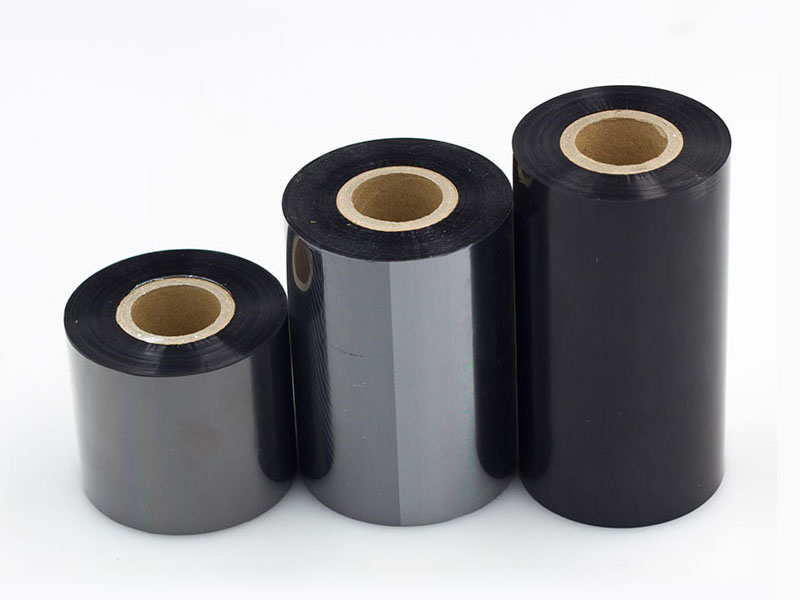
Below is a summary of the full-process operating standards from startup preparation to finishing based on equipment characteristics and process requirements.
07. November, 2026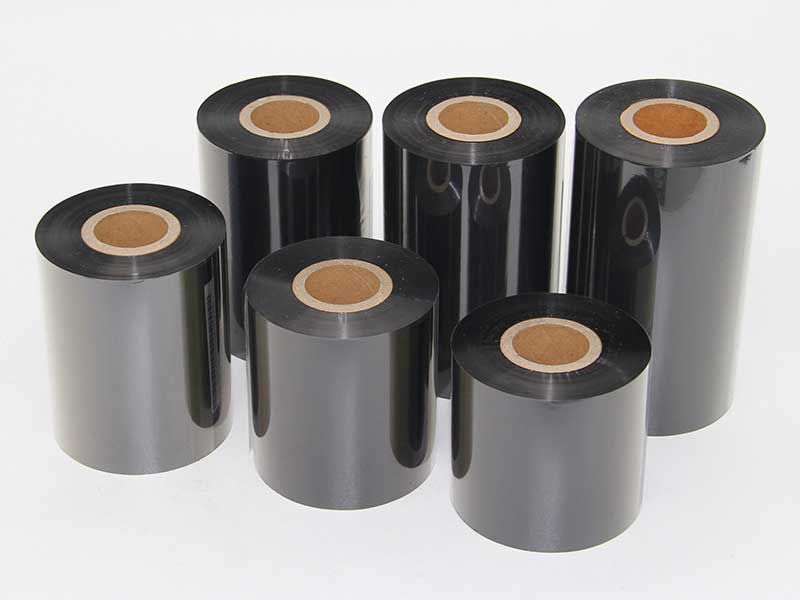
Ribbon slitting and rewinding is a key process in the production of thermal transfer consumables, and its efficiency directly determines delivery cycles and cost competitiveness.
07. November, 2026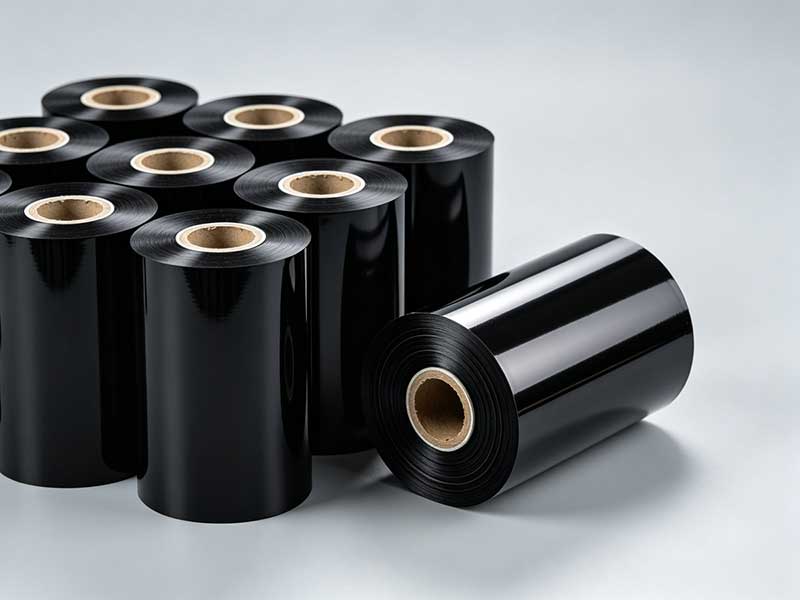
Its application scenarios go far beyond ribbon production workshops and span the entire consumables supply chain from manufacturing to end users.
07. November, 2026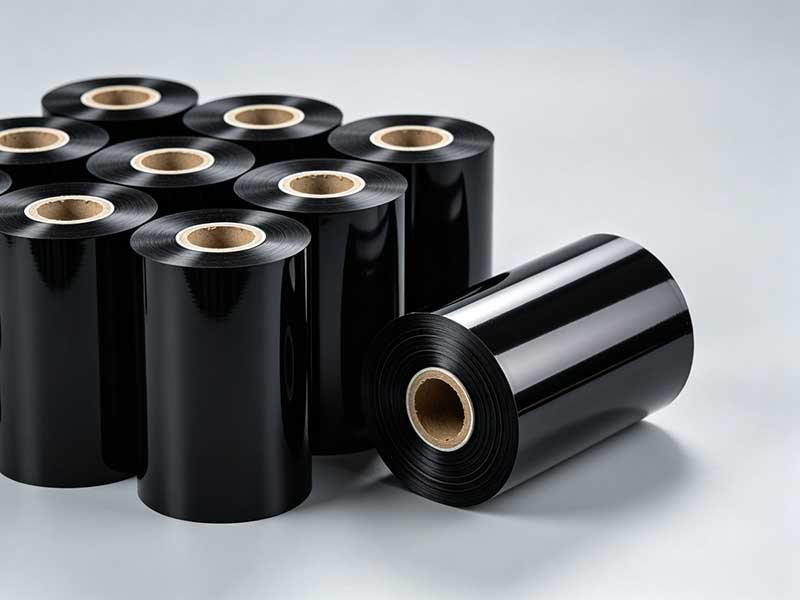
This article analyzes from five dimensions: equipment specifications, core configuration, automation level, process adaptability, and brand services, providing a reference for procurement decisions.
06. November, 2026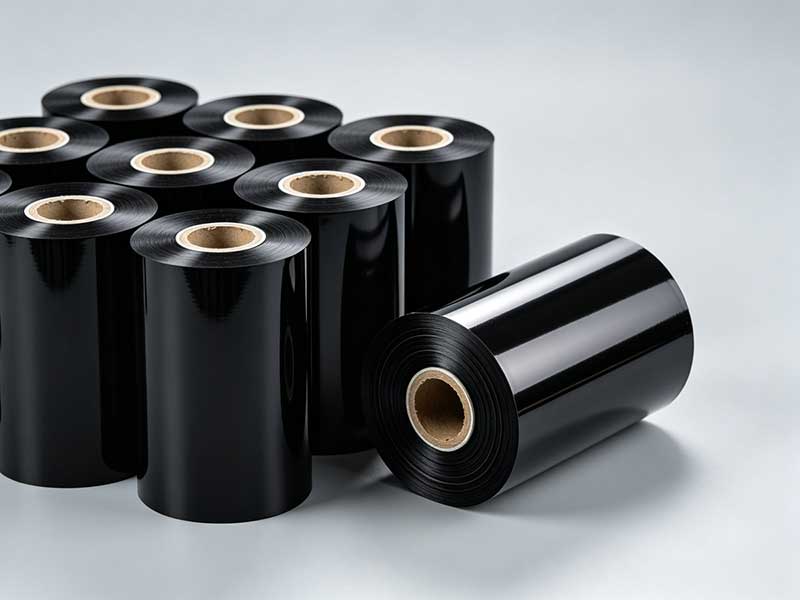
achieving this metric is not achieved by upgrading a single component, but is the result of precise coupling between tension, mechanics, tools, and the centering system.
02. November, 2026


 English
 Deutsch
 Français
 Español
 Português
 日本語
 русский
 한국어
 عربي
 ภาษาไทย
 Tiếng Việt
 Italiano