
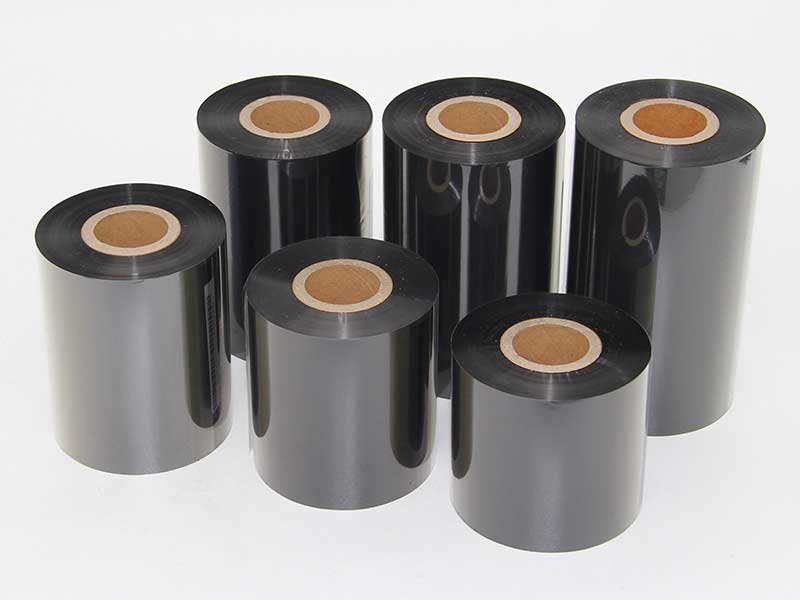
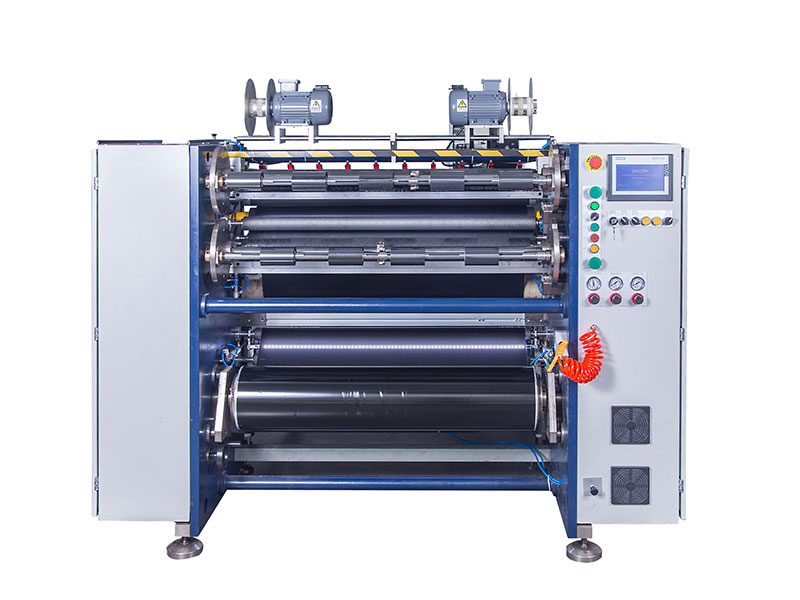
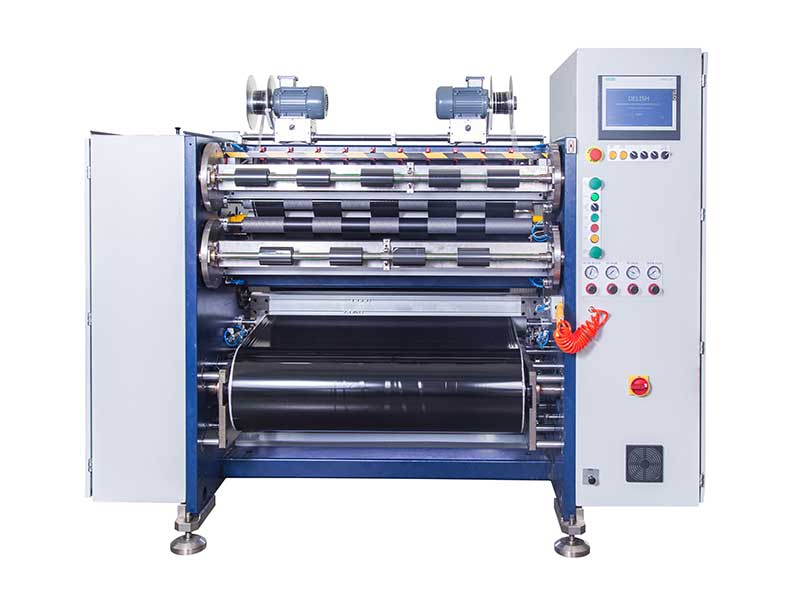
The intelligent ribbon slitting machine is an efficient and accurate automated equipment designed for the slitting needs of ribbons (thermal transfer printing materials), optimizing the production process through intelligent technology, significantly reducing manual intervention, and improving production efficiency and product consistency. Here are its core benefits and application features:
1. Core functions and automation technology
• High-precision slitting: Driven by servo motors or stepper motors, with high-resolution photoelectric sensors, it ensures that the slitting width error is controlled within ±0.1mm, adapting to the needs of different specifications (such as 10mm, 20mm, etc.).
• Intelligent Correction System: Automatically adjusts ribbon position through real-time image recognition or ultrasonic detection to avoid waste caused by material shift.
• Automatic Tension Control: Built-in closed-loop tension control system ensures constant tension during slitting and prevents ribbon wrinkling or breakage.
• One-click specification change: Quickly switch between different slitting widths through the touch screen preset parameters, reducing downtime.
2. Key design to reduce manual intervention
• Fully automatic loading and unloading: optional robotic arm or automatic coil docking device to realize continuous feeding of coils and finished product winding without manual operation.
• Intelligent detection and alarm:
◦ Real-time monitoring of ribbon defects (e.g., bubbles, impurities) and automatic marking or rejection of defective segments.
◦ Self-diagnosis of equipment faults, prompting maintenance information through APP or display.
• Unmanned production: Support integration with MES (Manufacturing Execution System) to achieve remote monitoring, production data analysis, and scheduling optimization.
3. Production efficiency and cost advantage
• High-speed slitting: The maximum slitting speed can reach 100-200 m/min (depending on material properties), which is 30%-50% higher than traditional equipment.
• Low scrap rate: Automated control reduces material loss to less than 3%, significantly reducing raw material costs.
• 24/7 Continuous Operation: Reduces the need for manual shifts, especially for high-volume orders.
4. Application scenarios
• Label Printing Industry: Provide customized ribbons for e-commerce logistics, food packaging, etc.
• Electronics manufacturing: Slitting high-temperature ribbons for PCB label printing.
• Flexible material processing: Extended to slitting other film materials (such as PET, PE).
5. Intelligent upgrade options
• AI optimization algorithm: Learn historical production data and automatically optimize slitting parameters (e.g., speed, tension).
• Internet of Things (IoT) integration: Real-time upload of equipment status and output data to the cloud, supporting multi-factory collaborative management.
summary
Through automation, digitalization, and intelligent technology, the intelligent ribbon slitting machine solves the problems of relying on manual labor and unstable accuracy in traditional slitting, especially suitable for enterprises pursuing high efficiency and lean production. Its modular design can also expand functions (such as laser diameter measurement, automatic packaging) according to needs, further reducing comprehensive costs.
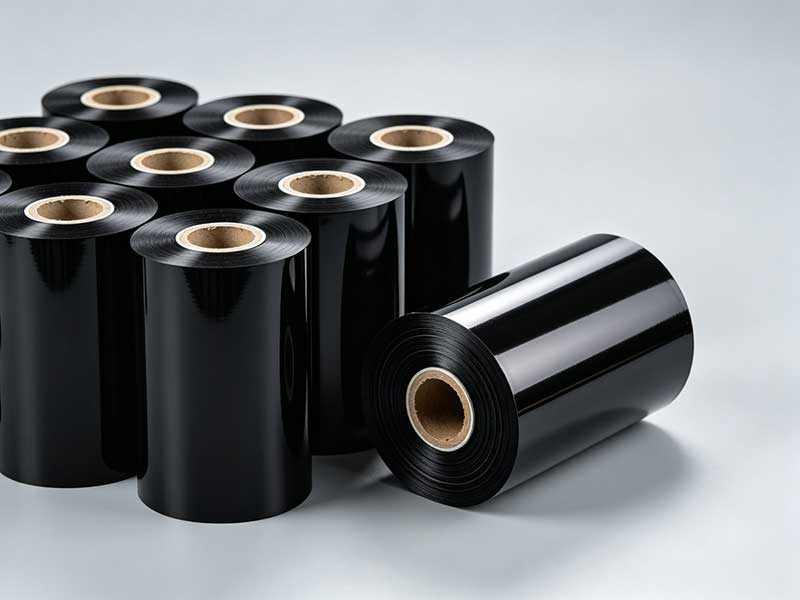
The widespread adoption of fully automatic ribbon slitting machines is changing this situation. Its core value can be summed up in six words: efficient, stable, and labor-saving.
22. October, 2026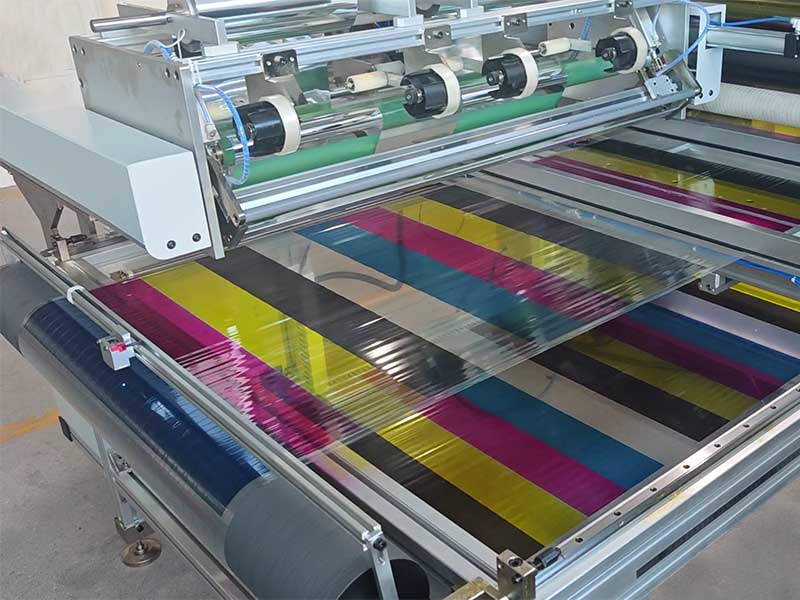
The color ribbon slitting machine is mainly used for wide roll slitting and rewinding of materials such as card printer color ribbons and thermal transfer ribbons.
21. October, 2026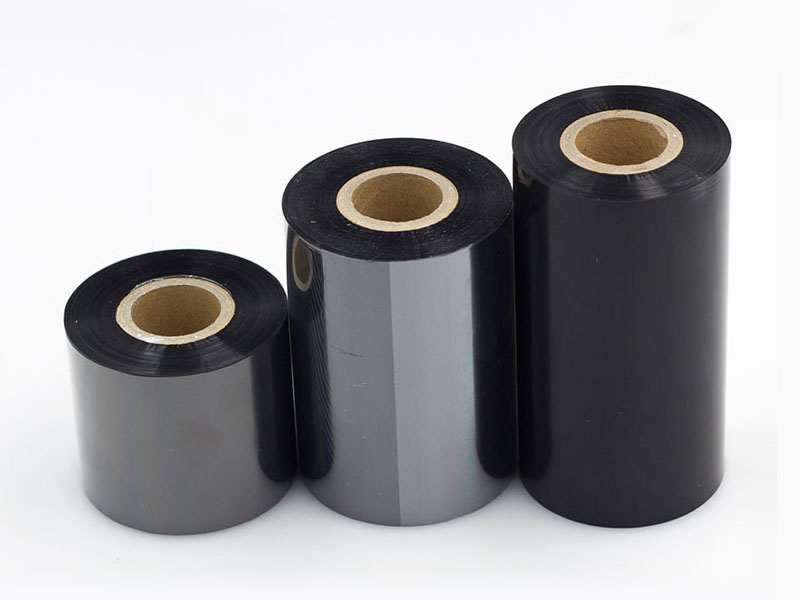
This article will break down the technical core of this function from four dimensions: signal detection, control logic, shutdown strategy, and precision calibration.
19. October, 2026The value of the automatic correction function lies in incorporating this runaway variable into a precise closed loop, shifting slitting operations from "post-event selection" to "real-time self-heali
19. October, 2026This paper proposes a practical efficiency improvement plan from three dimensions: downtime management, switching optimization, and tension upgrade.
19. October, 2026


 English
 Deutsch
 Français
 Español
 Português
 日本語
日本語 русский
 한국어
한국어 عربي
عربي ภาษาไทย
 Tiếng Việt
 Italiano