
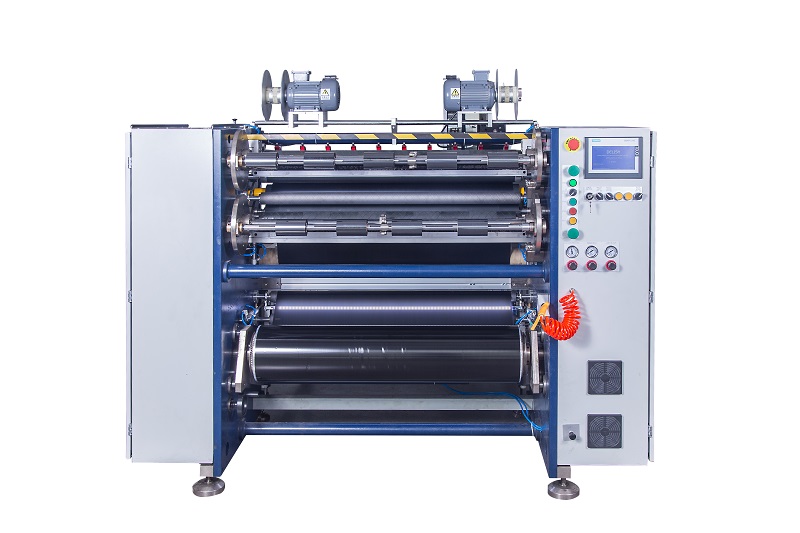
In fields such as label printing, logistics and warehousing, and product identification, the performance of industrial-grade ribbon slitting machines directly impacts production efficiency and product quality. In the face of a dazzling array of equipment models on the market, how to choose a slitting machine that suits your production needs? Here are five core parameters to look for when making a purchase, to help you make an informed decision.
1. Slitting accuracy and stability
Core considerations: slitting width tolerances and long-term operational consistency
The primary task of an industrial ribbon slitting machine is to ensure that the ribbon width is precise and consistent for each roll. When purchasing, you should pay attention to:
• Accuracy Indicators: High-end industrial-grade equipment can usually achieve slitting accuracy of ±0.1mm or even higher
• Stability performance: Examine the accuracy maintenance ability of the equipment after 8 hours and 24 hours of continuous operation
• Correction System: A high-quality photoelectric guiding system monitors and adjusts the ribbon position in real-time, ensuring neat edges
Pro tip: Asking the supplier to provide the actual slitting sample and measuring the width difference at different locations is the most straightforward way to verify the accuracy of the equipment.
2. Slitting speed and production efficiency
Core consideration: the matching degree between the maximum slitting speed and the actual production capacity
Slitting speed directly affects production capacity, but faster is not always better:
• Speed range: Industrial-grade equipment typically has speeds between 100-600 m/min
• Acceleration/deceleration performance: Excellent acceleration curve reduces material waste during start-stop
• Degree of automation: The degree of integration of functions such as automatic roll change and online inspection determines the actual production efficiency
Pro tip: Choose the appropriate speed equipment for your production batch. Small-batch, multi-mix production may require rapid changeover over maximum slitting speed.
3. Applicable material range and compatibility
Core consideration: The equipment's ability to handle different types of ribbons
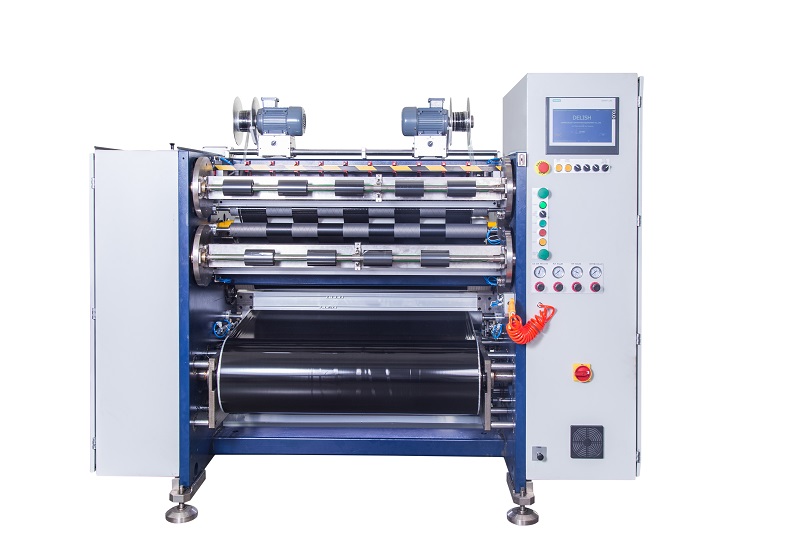
Ribbon materials are diverse, and the equipment needs to be widely compatible:
• Material adaptability: The characteristics of different ribbons such as wax-based, mixed-based, and resin-based are very different
• Thickness range: capable of handling ribbons of varying thicknesses from 3.0μm to 12μm
• Special Treatment: No special design for fragile, stretchable or back-coated ribbons
Pro tip: Clearly list the types of ribbons you may use now and in the future to ensure that the equipment you choose covers these needs.
4. Tension control system
Core considerations: accuracy and response speed of tension control in the whole process
Tension control is key to ribbon slitting quality:
• Control mode: mechanical, magnetic particle or servo motor control? Servo control is currently the most advanced
• Tension range: Whether the equipment can provide the minimum to maximum tension suitable for different materials
• Response mechanism: how to maintain tension stability when the speed changes and the material properties change
Pro tip: Observe the slitting effect of the equipment in the acceleration and deceleration stage, equipment with poor tension control will produce waste in these links.

5. Human-computer interaction and intelligent functions
Core considerations: ease of operation and intelligence level
The user-friendly design of modern industrial equipment is equally important:
• Operation interface: whether the touch screen is intuitive and easy to use, and whether the parameter setting is simple
• Preset function: whether the slitting parameters of different products can be stored to realize one-click switching
• Intelligent diagnosis: whether the equipment has fault warning and self-diagnosis functions
• Data docking: whether it can be connected with the factory MES system to realize automatic production data collection
Pro tip: Let your operators actually try out the device interface, and their feedback is often the best reflection of the ease of use.
Comprehensive evaluation and purchase suggestions
After clarifying these five core parameters, it is necessary to comprehensively consider:
1. Supplier's technical support capabilities: including installation and commissioning, operation training, maintenance response speed, etc
2. Scalability of equipment: Whether new features can be added in the future to adapt to changes in production needs
3. Operating Costs: Energy consumption, frequency of wearing parts replacement, and maintenance costs
4. Safety performance: Whether emergency stops, protective devices, etc. meet industrial safety standards
Finally, it is recommended that before the final decision, arrange material trial cutting as much as possible, and examine the actual operation of the equipment in similar enterprises. A quality industrial-grade ribbon slitting machine should be a balance of precision, efficiency, reliability, and ease of use, delivering a long-term return on value to your production.
Choosing the right slitting machine is not only a device purchase, but also an optimization of the production process. Focusing on these five core parameters will help you find the solution that best matches your production needs and maintain the dual advantages of quality and cost in the fierce market competition.
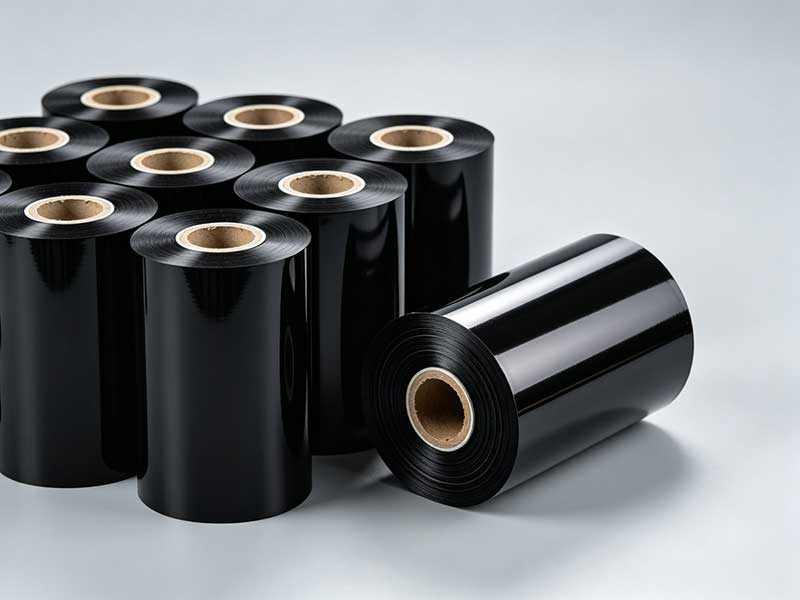
The widespread adoption of fully automatic ribbon slitting machines is changing this situation. Its core value can be summed up in six words: efficient, stable, and labor-saving.
22. October, 2026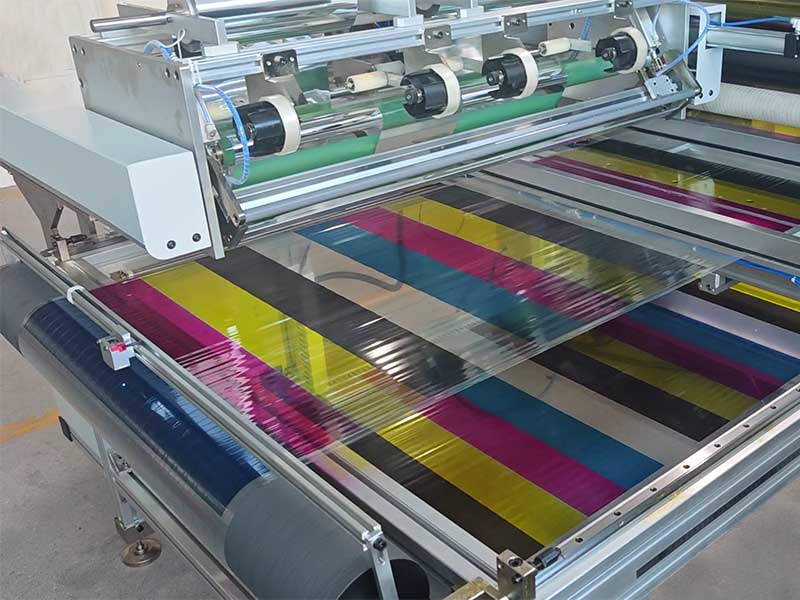
The color ribbon slitting machine is mainly used for wide roll slitting and rewinding of materials such as card printer color ribbons and thermal transfer ribbons.
21. October, 2026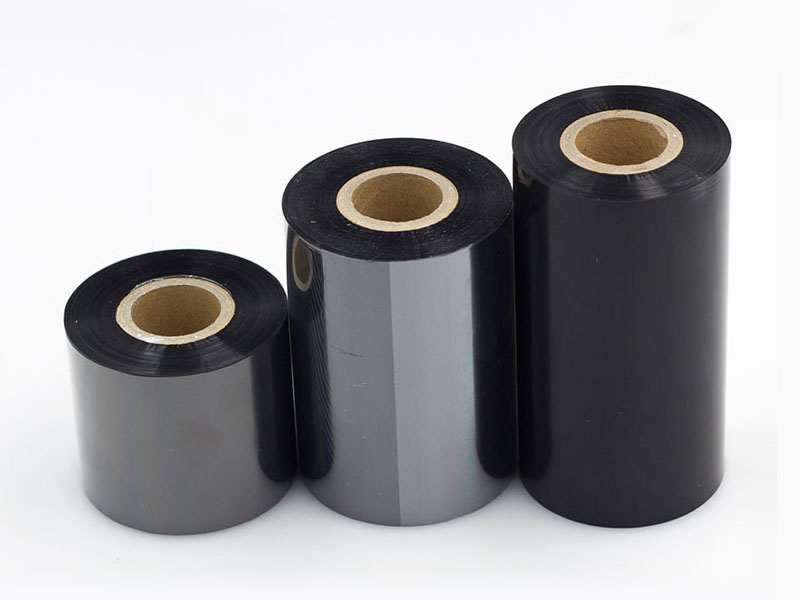
This article will break down the technical core of this function from four dimensions: signal detection, control logic, shutdown strategy, and precision calibration.
19. October, 2026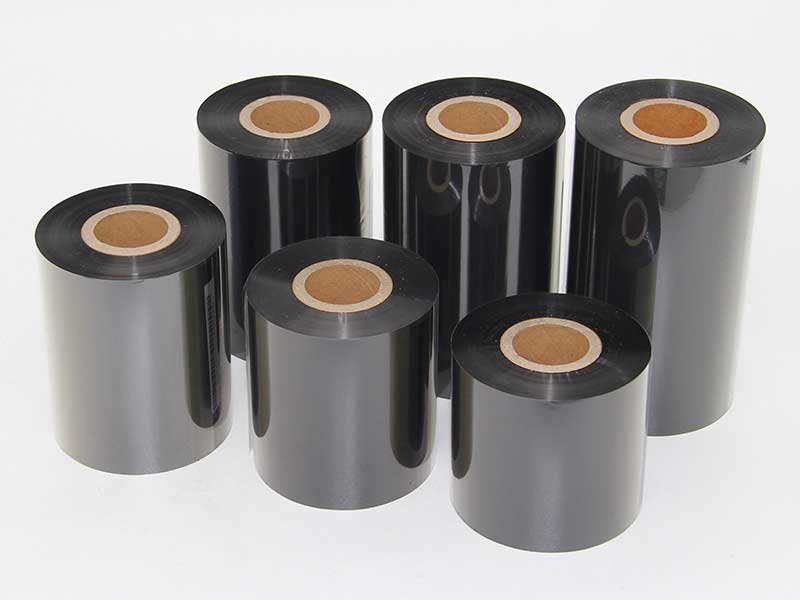
The value of the automatic correction function lies in incorporating this runaway variable into a precise closed loop, shifting slitting operations from "post-event selection" to "real-time self-heali
19. October, 2026This paper proposes a practical efficiency improvement plan from three dimensions: downtime management, switching optimization, and tension upgrade.
19. October, 2026


 English
 Deutsch
 Français
 Español
 Português
 日本語
日本語 русский
 한국어
한국어 عربي
عربي ภาษาไทย
 Tiếng Việt
 Italiano