
The hot stamping foil cutting machine is a key piece of equipment in the packaging and printing industry for cutting wide-width hot stamping materials to the required specifications. For beginners new to this device, facing the high-speed spindle and precise parameters, it can be easy to feel lost. Don't worry, this guide will take you from scratch in the most straightforward way, safely and properly completing the first volume slitting.
Step 1: Get to know your "partner"
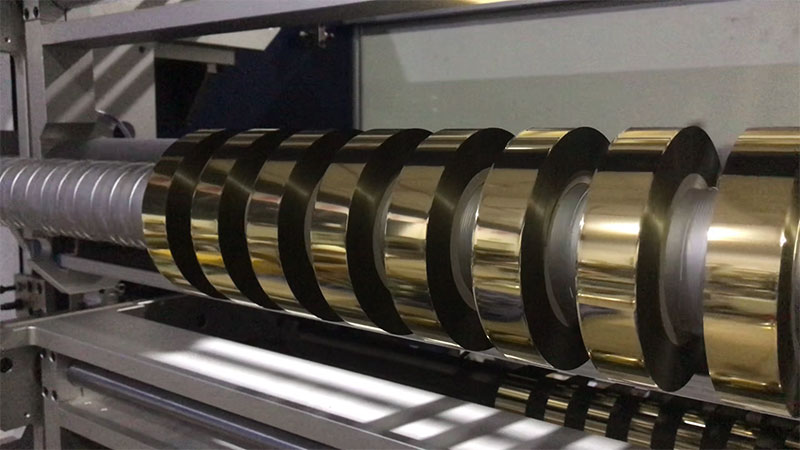
Before starting up, spend a few minutes familiarizing yourself with the core components of the equipment. Each performs its role and works together to complete the slitting task:
• Reel: Used to hold the foil raw material for large rolls, essentially a "material storage."
• Traction roller group: responsible for smoothly conveying materials forward.
• Slitting blade set: The core cutting component (mostly circular blades) cuts through wide sections of material.
• Reel: Collect the finished rolls after slitting.
• Tension control system: adjusts the tightness of the material during operation to prevent cracking or wrinkling.
Step 2: Preparation before startup (safety first)
Safety is the prerequisite for operation, and the following points must be properly addressed:
1. Personal protection: Wear tight work clothes, do not wear gloves to handle rotating parts (which can easily get caught), and long hair must be tucked into the hat.
2. Equipment inspection: Clean debris from the machine body, confirm the emergency stop button functions properly, check for chipping blades, and ensure the air pressure in the air passage meets standards (usually 0.5-0.7MPa).
Step 3: Loading and Film Threading (Handle gently)
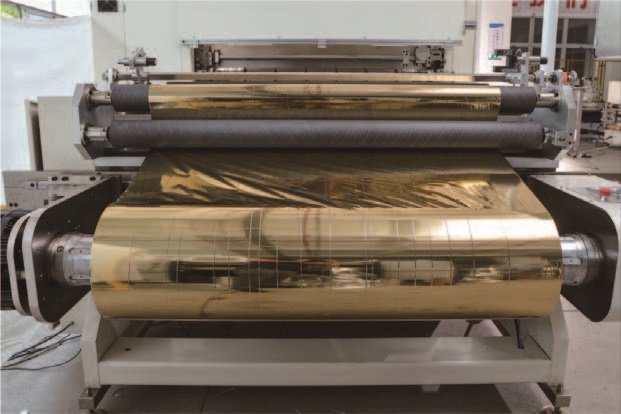
1. Use a crane or cart to load the master roll onto the reel, making sure the chuck is tightly locked to ensure the material is centered.
2. Manually pull the feed head, thread the material along the path of "unwinding guide roller → tension roller → knife set → winding guide roller," then flatly attach the feed head to the winding core tube and secure it with tape.
Step 4: Set parameters (beginners slow at first, then steady)
On the touchscreen or control panel, set the following core parameters according to the process sheet:
• Slitting width: Adjust the position of the tool holder and measure with a ruler to ensure accuracy.
• Winding length: Set how many meters each small roll is needed.
• Tension level: Hot stamping foil is relatively thin, so the tension should be low rather than too high (beginners can consider 20-50N); excessive tension can easily break the material.
• Slitting speed: For the first operation, always test cut at a low speed (30-50 meters/minute), and speed up only after becoming proficient.
Step 5: Test cutting and first piece confirmation (don't rush mass production)
This is the most easily overlooked yet crucial step for beginners:
1. Jog Operation: First "jog" to move the equipment 1-2 meters, then press emergency stop.
2. Quality check: Check whether the cut is neat and free of burrs, and use a caliper to measure whether the width meets the standard (the error is usually within ±0.5mm).
3. Fine-tuning optimization: If there are burrs, it is usually due to dull blades or too low pressure; If there is wrinkling, reduce the tension appropriately. After adjustment, try cutting again until it passes.
Step 6: Official operation and monitoring (keep an eye on the six routes)
Only after confirming the trial cut is correct can formal production begin:
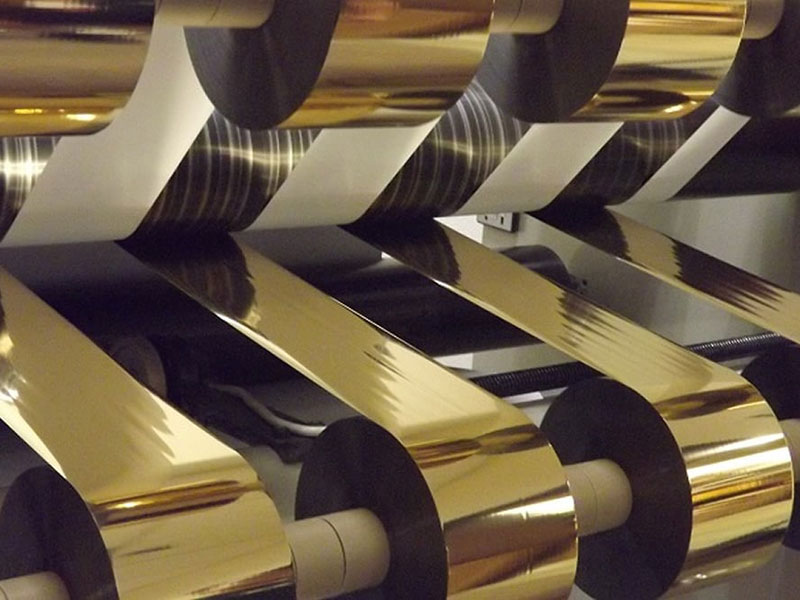
1. Slowly increase the speed to the set value.
2. Keep a close eye on the material throughout the process to see if it is misaligned, wrinkled, or makes abnormal noises.
3. It is strictly forbidden to touch the blades or roller surfaces with your hands while the machine is running. In emergencies, the first thing to do is to press the emergency stop button, rather than using your hand to block it.
Step 7: Unroll and wrap up
After slitting is complete:
1. Turn off the main unit's power, remove the finished roll from the reel, and place it gently on the tray.
2. Check the neatness of each roll's end face and attach the label (indicating specifications and meters).
3. Promptly clean waste edge material and foil shavings from equipment to prepare for the next roll.
Tips for beginners to avoid pitfalls:
• Burr issues: 90% of sudden burrs can be solved by replacing the blade with a new one. Don't be reluctant to change the blade.
• Fracture issues: First check whether the tension is too high, then troubleshoot the blade.
• Environmental control: Try to keep the workshop temperature and humidity stable (recommended 20-25°C, humidity 40-60%), which can reduce many static electricity and wrinkling issues.
By following these seven steps, you can smoothly complete the cutting of the first roll of hot stamping foil. As you gain experience, you'll gradually master advanced techniques such as tension matching for different materials. Remember, standardized operations and safety first are the foundation of efficient production.
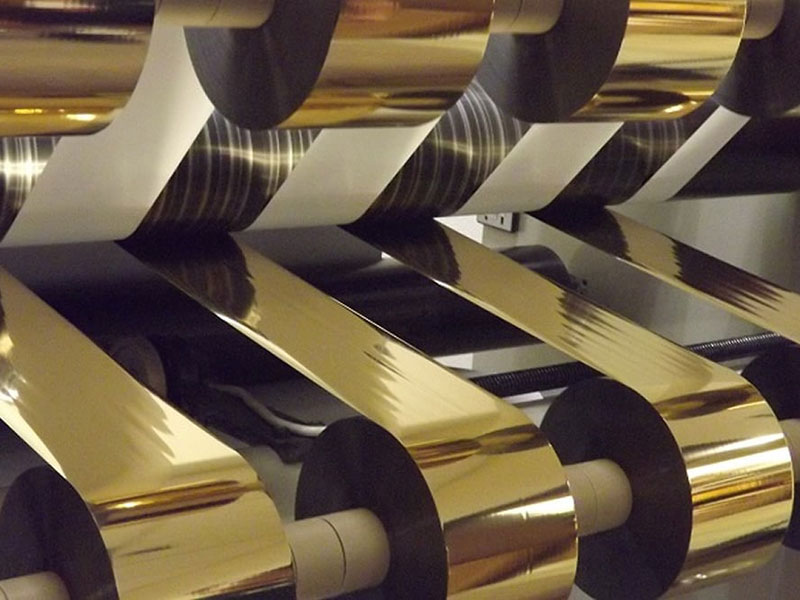
A mature automated system needs to form a closed loop simultaneously across four dimensions: correction, tension, cutting, and data management.
21. October, 2026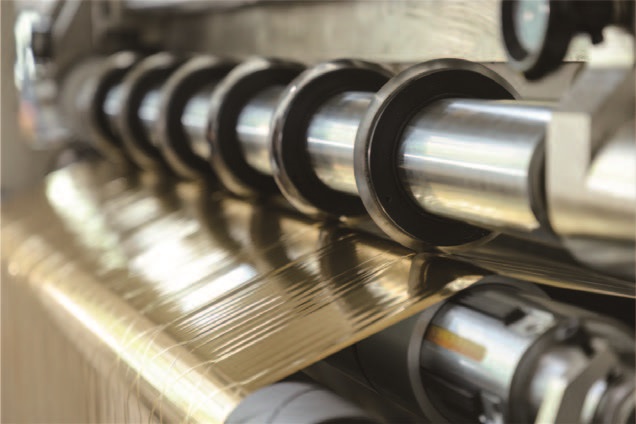
The value of customized slitting solutions lies in turning "cutting accurately, changing quickly, and no waste" from a slogan into a quantifiable production indicator.
21. October, 2026This article focuses on the two subsystems of unwinding and rewinding, explaining their functional composition, control logic, and key points of common adjustments.
21. October, 2026It is specifically designed to cut the wide master roll hot stamping foil into different narrow finished rolls according to process requirements, and is used in conjunction with hot stamping machines.
16. October, 2026A device with stable slitting accuracy and precise tension control is the fundamental link for ensuring hot stamping yield and material utilization.
16. October, 2026


 English
 Deutsch
 Français
 Español
 Português
 日本語
日本語 русский
 한국어
한국어 عربي
عربي ภาษาไทย
 Tiếng Việt
 Italiano