
Thermal transfer ribbons consist of PET base films only 4.5 to 20 microns thick, heat-resistant coatings, and ink layers, with the quality of the finished product highly dependent on the final slitting process. Choosing the right equipment is the profit engine for stable output; If you choose the wrong one, it may become a cost black hole of waste accumulation. When faced with equipment on the market ranging from tens of thousands to hundreds of thousands of yuan, how can companies make rational decisions? This article analyzes from three core dimensions: accuracy, speed, and cost.
1. Slitting precision: An uncompromising quality bottom line
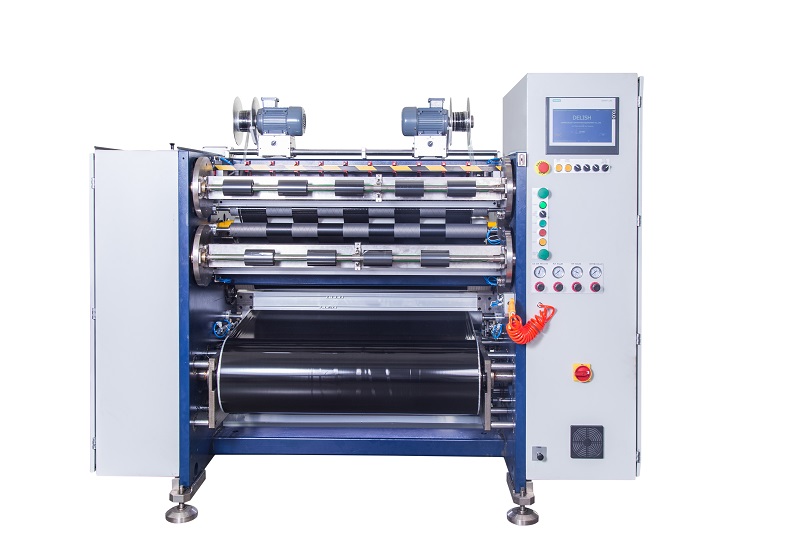
Slitting accuracy is the primary indicator for measuring equipment performance, directly determining the width consistency and edge quality of the finished ribbon. Insufficient precision can cause ribbon edges to become rough, tape misalignment, jam tape, or even damage to the print head during printing.
Industry precision standards can refer to the following grading: General grade is ±0.3~0.5mm, suitable for conventional commercial and logistics labels; The high-precision class is ±0.1mm, suitable for precision electronics and general industrial applications; The ultra-high precision class can reach within ±0.05mm, suitable for medical labels, ultra-narrow ribbons, and other scenarios.
Key hardware configurations that determine accuracy include:
The tension control system is considered the "soul" of the equipment. The ribbons are extremely thin and coated with thermal transfer coatings; if the tension is too tight, they can stretch, deform, or even break; if too loose, they cause loose winding and uneven end faces. Fully automatic closed-loop tension control can monitor and adjust tension in real time at each stage of unwinding, traction, and rewinding, making it an essential feature. High-end equipment should also have taper tension control features—automatically reducing tension as the roll diameter increases, preventing the inner ribbon from sticking under pressure.
The slip shaft is key to solving the "vegetable core" problem. It can independently control torque for each winding unit, effectively solving issues such as "loose inside, tight outside" or uneven end faces during winding. For small-batch, multi-specification production modes, slip shafts are a must-have.
When purchasing, do not trust parameter tables lightly. Always bring your own ribbon roller coil for on-site trial cutting to test the edge burrs and end face uniformity of the actual slitted sample, rather than theoretical values.
2. Slitting speed: The measure of efficiency, but the higher the better
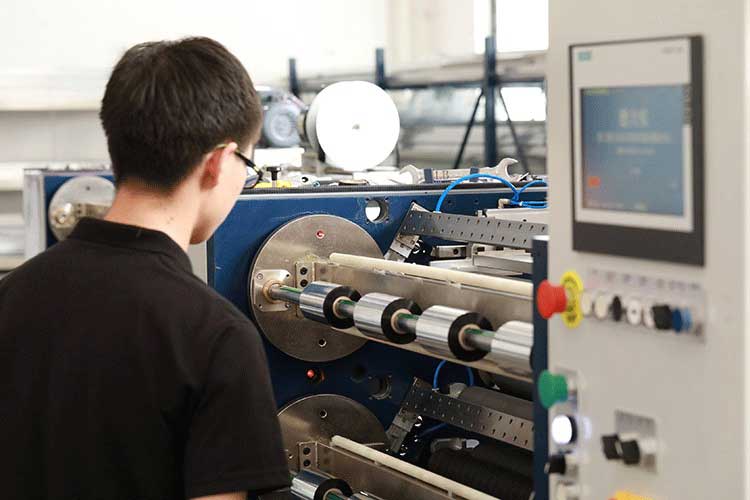
Speed determines output per unit time, but the nominal maximum speed does not equal effective capacity. A device that frequently slows down or stops due to tension fluctuations or correction issues may actually produce less output than a stable medium-speed model.
Speed class reference: Low-speed economical model is 50–100 m/min, suitable for small batch and multi-variety production; Medium-speed general-purpose models range from 150–250 m/min, meeting most commercial orders; High-speed production models operate at 300–500 m/min, suitable for large-scale continuous production.
It should be noted that the actual usable speed is greatly affected by the ribbon material. Resin-based ribbons have harder coatings and lower toughness, so they typically need to operate at speeds 20%–30% lower than wax-based ribbons. Therefore, during evaluation, manufacturers should be required to conduct high-speed trial cutting using your actual materials to observe the control effect during acceleration and deceleration stages.
Speed selection should match the order structure: for large batches and small specifications, prioritize high-speed models; In small-batch, multi-specification scenarios, changeover efficiency is more important than extreme speed, so attention should be paid to the parameter memory function of "one-click order change."

3. Cost: Calculate the total bill, don't just look at the quotation
The price of ribbon slitting machines ranges from tens of thousands to hundreds of thousands of yuan, but the actual cost formula should be: total cost of ownership = purchase price + operating cost + maintenance cost + losses caused by downtime/scrap. A device that costs 20% less but has twice the failure rate may cost you 50% more over two years.
Cost optimization suggestions:
• Match actual needs: No need to pay for features you don't need. For example, newly established or under-order companies have better cost performance for medium-speed models (200–300 m/min).
• Pay attention to energy consumption and accessories: Compare the power parameters of different models and understand the brands of core components (bearings, rails, motors)—details that directly affect long-term durability and maintenance costs.
• Emphasis on after-sales service: Equipment inevitably requires maintenance, so the supplier's technical support capability and spare parts supply speed are important hidden costs.
Shopping action checklist
1. On-site test cutting: Bring your own ribbon reel to test actual accuracy and speed, without trusting theoretical parameters.
2. Check the tension system: Confirm whether it is equipped with fully automatic closed-loop tension control; high-end requirements should also include taper tension control.
3. Confirm slip shaft configuration: For multi-specification production scenarios, it must be selected, as this is key to ensuring winding quality.
4. Evaluate order compatibility: Choose the speed level based on your order structure (batch size, order change frequency), rather than blindly pursuing high speed.
5. Calculate full lifecycle costs: Integrate purchase price, energy consumption, maintenance expenses, and potential downtime losses, rather than just looking at quotations.
Choosing the right ribbon slitting machine essentially means choosing a "guardian" for a ribbon as thin as a cicada's wing. From precision and speed to cost, every dimension deserves careful consideration.
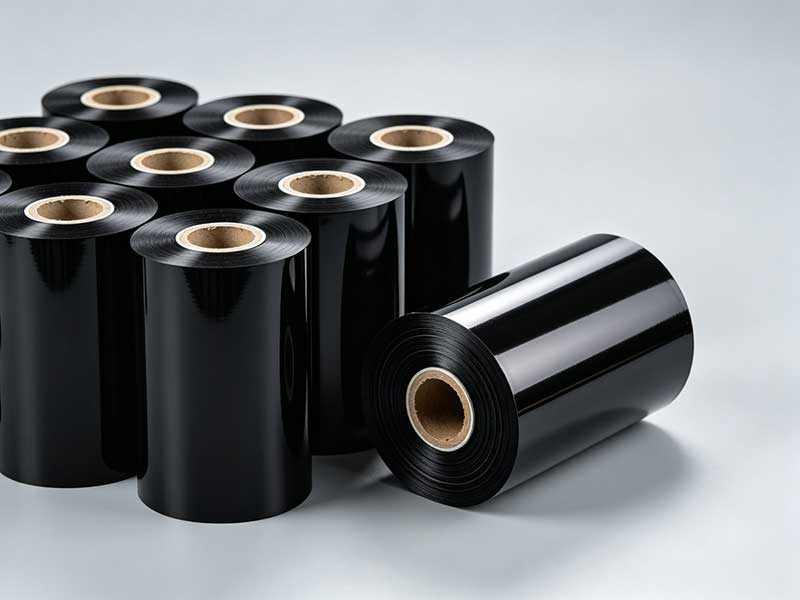
the key to choosing a model is not to pursue the "highest configuration," but to find a balance that matches your own business.
12. October, 2026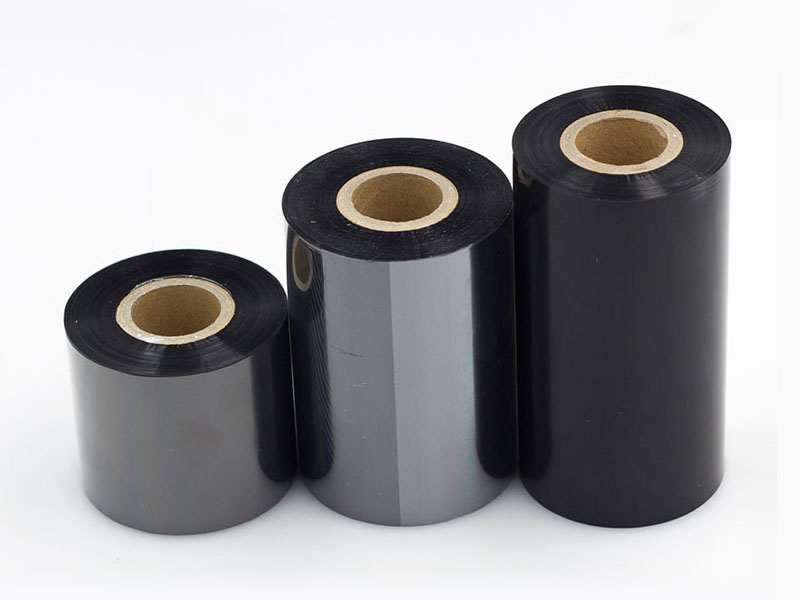
The coating formula, base film characteristics, and physical specifications of the ribbon directly affect the suitability and yield of the slitting machine.
09. October, 2026The core function of a ribbon slitting machine revolves around three dimensions: "precise cutting, stable rolling, and fast running."
09. October, 2026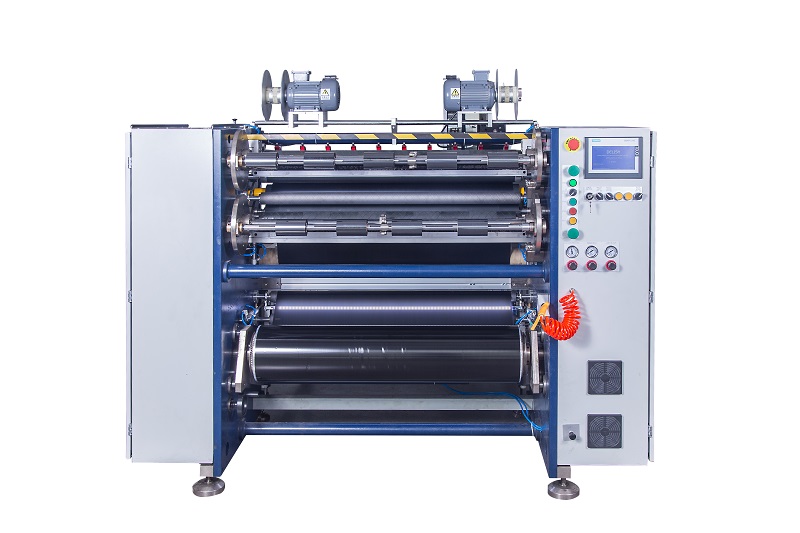
This article starts from actual usage scenarios to outline a clear selection approach.
09. October, 2026The essence of uneven end faces in ribbon slitting machines is an external manifestation of subtle imbalances between tension, parallelism, correction, and tool condition.
05. October, 2026


 English
 Deutsch
 Français
 Español
 Português
 日本語
日本語 русский
 한국어
한국어 عربي
عربي ภาษาไทย
 Tiếng Việt
 Italiano