
In the field of thermal transfer printing, ribbon slitting is a key process that determines the quality of the finished product. Precisely slicing wide-width ribbon master rolls into finished rolls suitable for various printers may seem like simple actions like "slitting" and "rewinding," but in reality, they hide huge differences in precision, speed, and stability. Faced with a wide variety of equipment on the market, understanding the essential differences between high-speed ribbon slitting machines and standard slitting machines is the first step in making the right investment decision.
The battle for precision: the threshold at the micron level
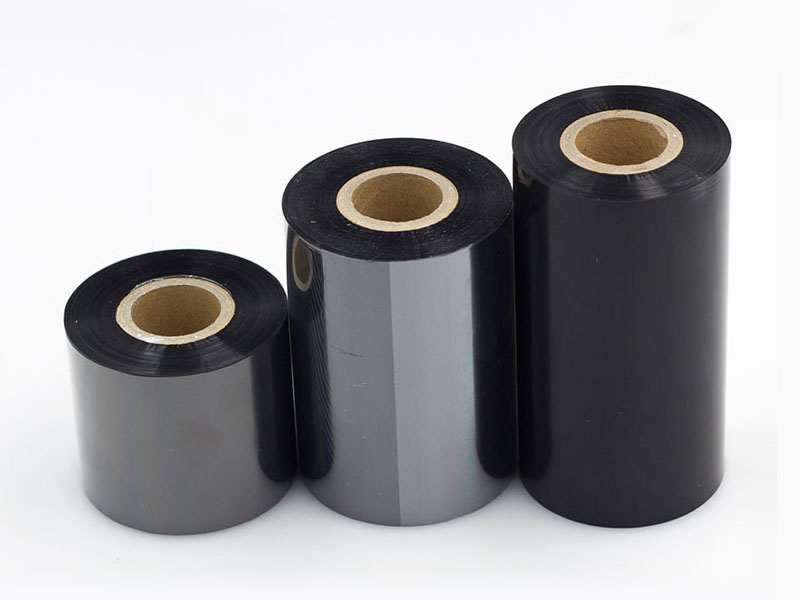
Slitting accuracy is the primary measure of equipment grade and the most direct difference between the two types of models.
Standard slitting machines typically maintain an accuracy of around ±0.3mm, which is sufficient to meet the needs of conventional commercial scenarios such as logistics waybills and retail labels. However, in scenarios requiring high-resolution printing of precision electronic labels or medical marks, this tolerance may mean ribbon edges are rough, tape misalignment, or may even be incompatible with printer slots due to width deviations.
High-speed slitting machines represent even higher levels of precision. Its high-precision models can narrow errors to ±0.1mm or even ±0.05mm. This micron-level control capability is crucial for ultra-narrow ribbons with extremely narrow slitting widths (such as less than 10mm) or resin-based ribbons, directly determining whether the finished product can run smoothly on high-end industrial printers without damaging the print head.
Speed and Efficiency: The "Real Power" Behind the Numbers
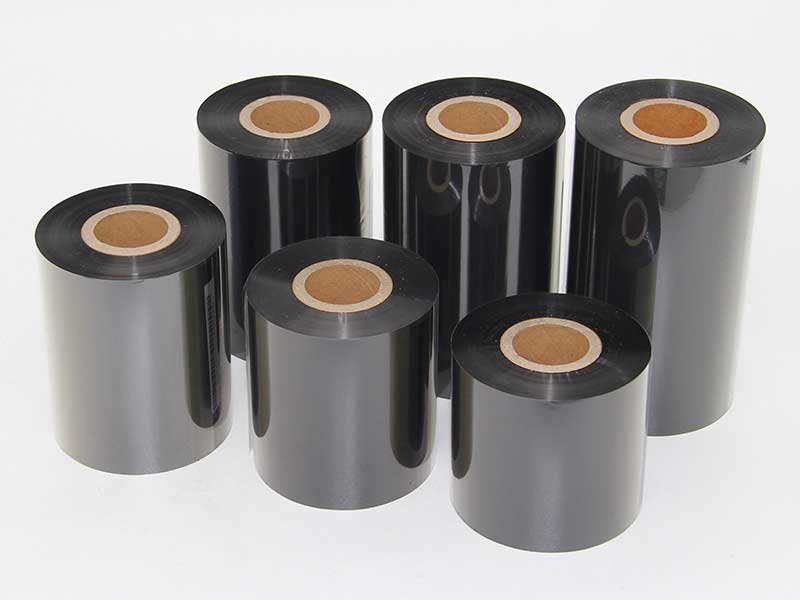
In terms of speed parameters, the nominal values of the two types differ significantly: standard models typically run at 50–150 meters per minute, while high-speed models can reach 300–500 meters per minute.
However, the nominal maximum speed does not equate to effective capacity. What truly sets the gap between the two is the stability assurance of high-speed engines under high-speed operation.
The ribbon substrate is PET film only 4.5–10 microns thick, which is extremely sensitive to tension. At high speeds, even slight uneven tension can cause loose rolling, wrinkles, or excessive stretching that damages the ink layer, causing ribbon powder to shed. The core competitiveness of high-speed slitting machines lies precisely in their fully automatic closed-loop tension control system and taper tension control technology (dynamically decreasing tension as the coil diameter increases), ensuring that the internal and external tightness of the finished roll remains consistent even at speeds of several hundred meters per minute. In contrast, standard equipment is often forced to slow down at high speeds due to tension fluctuations, significantly reducing actual efficiency.
Hardware configuration and automation: soul and torso
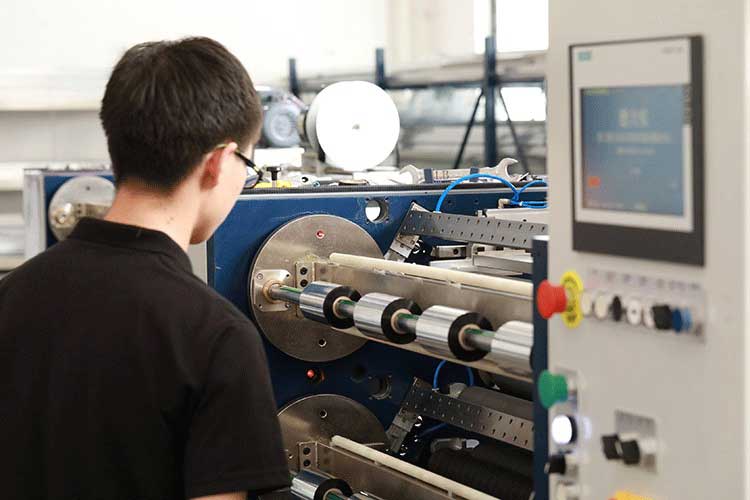
The tension control system is known as the "soul" of the slitting machine. Standard equipment mostly uses magnetic powder clutches to control tension, while high-speed models are commonly equipped with servo motor drives and independent slip shafts. The slip shaft can independently control torque for each winding unit, effectively solving end face defects such as "loose inside" or "core core" when winding multiple rolls simultaneously.
On the automation front, high-speed slitting machines emphasize the empowerment of the "smart brain." Their control systems typically have parameter memory functions, capable of storing complete slitting parameters for different ribbon specifications (width, material), enabling "one-click order exchange." This means that when switching from one batch of products to another, there is no need for experienced technicians to repeatedly debug, ensuring consistency between batches and significantly reducing order change downtime. Standard devices rely more on manual settings, which is a clear efficiency disadvantage in scenarios where specifications are frequently switched.

Selection advice: Match real needs
Choosing between high-speed or standard models essentially involves balancing capacity demand and investment returns.
• Standard slitting machine: Suitable for small to medium-sized commercial printing service providers, stable batch sizes, but not demanding precision. Its investment threshold is relatively low, making it a cost-effective choice.
• High-speed slitting machines: the preferred choice for professional ribbon processors or large enterprises. Although the initial investment is higher, the long-term returns are significant through higher material utilization (reducing scrap rates by 3-8%), less manual intervention, and consistently stable large-scale output.
Finally, remember: do not trust the theoretical values of the parameter table. The material of the ribbon (wax-based, mixed, resin-based) greatly affects the actual slitting speed and precision. Before making a final decision, be sure to bring your own ribbon master roll for on-site trial cutting to test the edge burrs and end face neatness of the actual sample—this is the only standard for testing the true skill of the equipment.
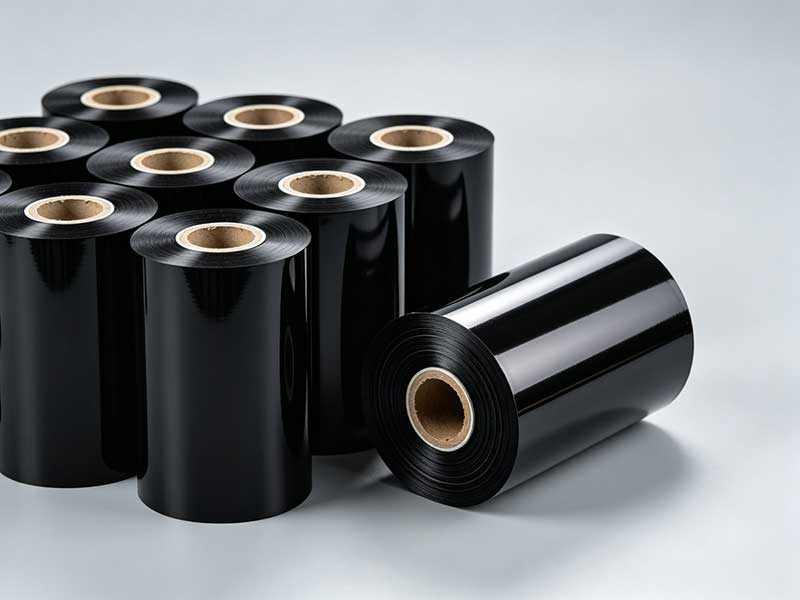
the key to choosing a model is not to pursue the "highest configuration," but to find a balance that matches your own business.
12. October, 2026The coating formula, base film characteristics, and physical specifications of the ribbon directly affect the suitability and yield of the slitting machine.
09. October, 2026The core function of a ribbon slitting machine revolves around three dimensions: "precise cutting, stable rolling, and fast running."
09. October, 2026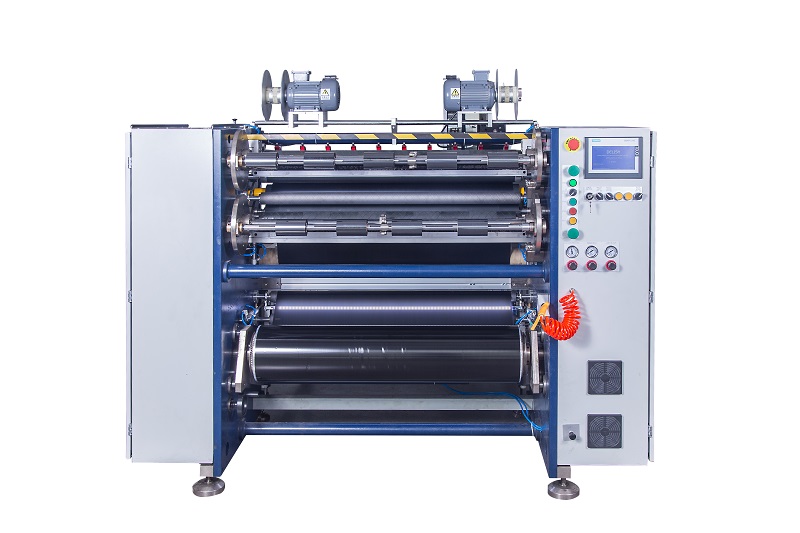
This article starts from actual usage scenarios to outline a clear selection approach.
09. October, 2026The essence of uneven end faces in ribbon slitting machines is an external manifestation of subtle imbalances between tension, parallelism, correction, and tool condition.
05. October, 2026


 English
 Deutsch
 Français
 Español
 Português
 日本語
日本語 русский
 한국어
한국어 عربي
عربي ภาษาไทย
 Tiếng Việt
 Italiano