
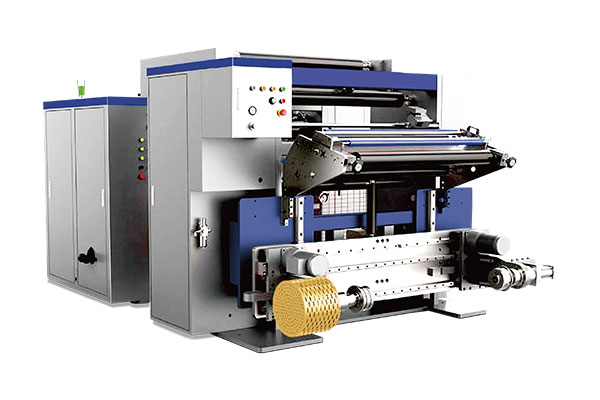
To buy a good slitting machine, we need to understand the composition of the slitting machine. Only in this way can we procure a slitting machine with good slitting effect and high precision, which is suitable for us. Let's talk about the composition and structure of the slitting machine.
1. Winding mechanism
The winding mechanism has multi-station winding, slip shaft winding, and air expansion shaft winding. Suitable for a wide range of membranes and requirements.
2. Traction mechanism
Most of the traction parts have two structures
One is the transmission mechanism of rubber roller and steel roller, and the other is the design mechanism of "S" type large bag angle. Each has its own strengths.
3. Unwinding mechanism
The unwinding mechanism has active unwinding and passive unwinding, active unwinding is generally equipped with motor active unwinding, and passive unwinding is generally equipped with magnetic powder brake or pneumatic brake mechanism. Different configurations affect the speed and tension control size.
4. Rack
The robustness of the frame depends on the stability, durability, noise and vibration of the machine. There are steel plate frames, cast iron frames. There are also those with a base, and there are those without a base.
5. The brand and origin of the accessories
The slitting machine is configured with brands of different origins, and its stability, durability, and performance effect are also obviously different.
Lao Tie said that the water of the original slitting machine is very deep, so the purchase of slitting machine can not only compare the price, but also compare more structures and configurations.
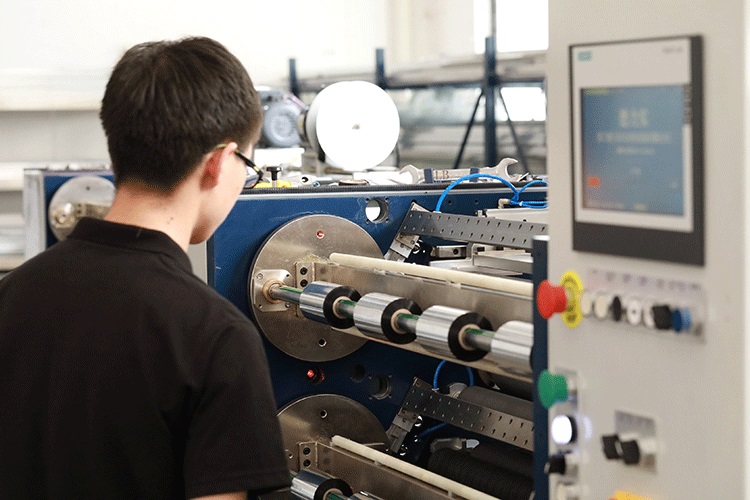
no need to buy a dedicated machine or gamble on a mismatched machine just because of a rushed resin-based washing order.
16. November, 2026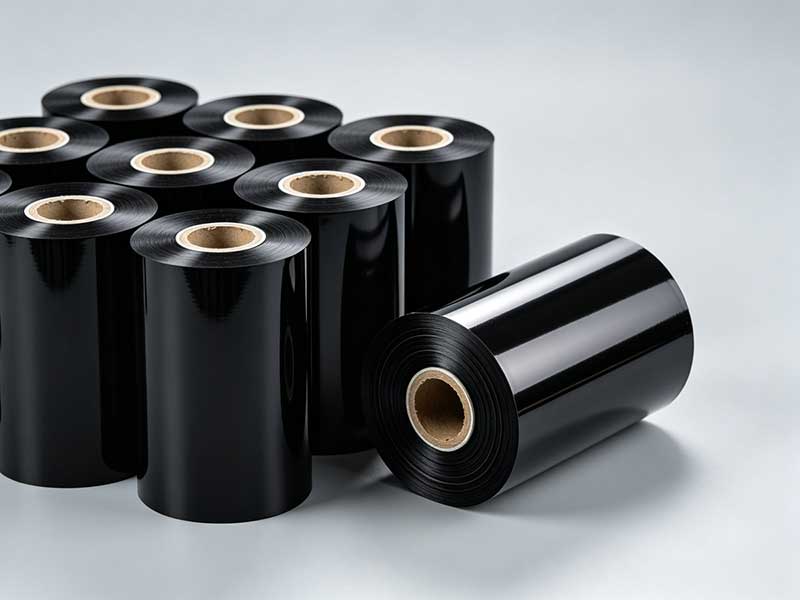
This article will start from symptom classification and provide a solution approach that progresses from simple to complex and can be quickly implemented.
16. November, 2026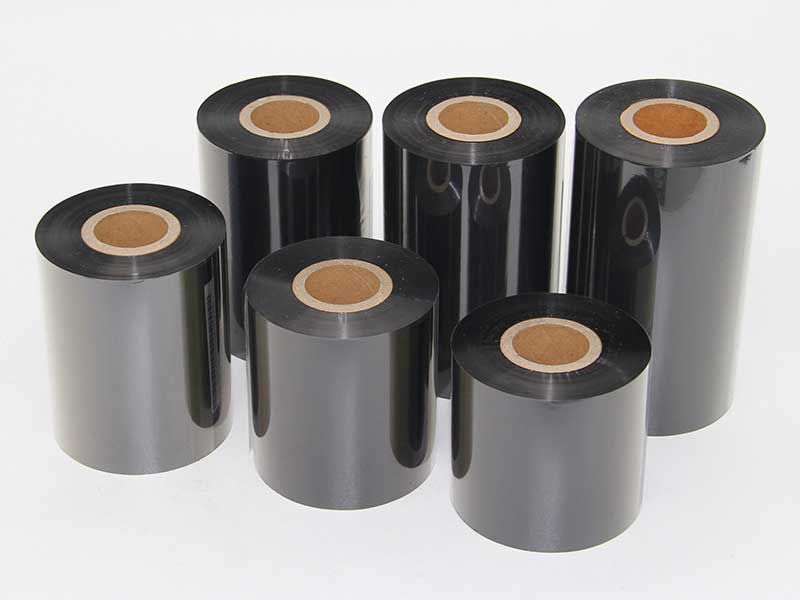
As a result, a well-calibrated high-precision ribbon slitting machine can stabilize width tolerances within ±0.05mm, and reduce the defect rate from 2% to 3% of ordinary equipment to below 0.3%.
16. November, 2026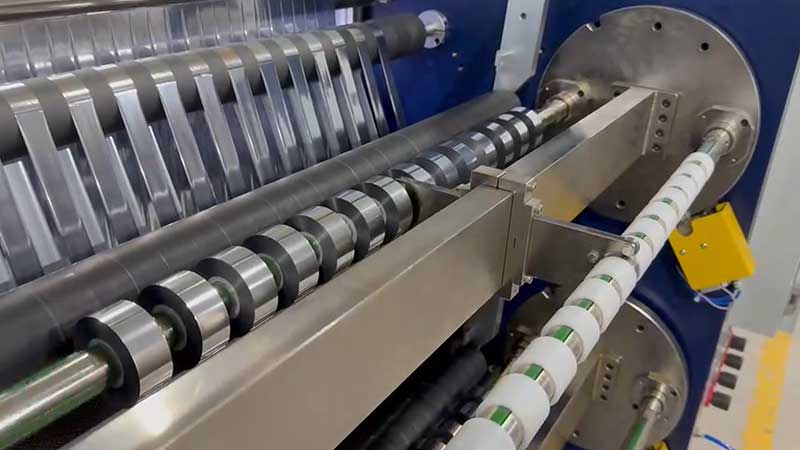
accuracy indicators will move from macro to micro, control logic will shift from experience to algorithms, and equipment roles will move from isolated islands to nodes.
10. November, 2026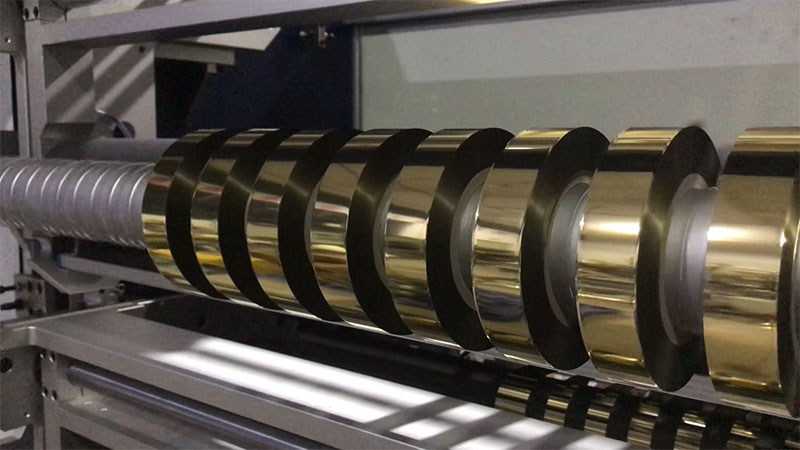
The following three application cases reveal the efficiency revolution currently underway in this area.
09. November, 2026


 English
 Deutsch
 Français
 Español
 Português
 日本語
 русский
 한국어
 عربي
 ภาษาไทย
 Tiếng Việt
 Italiano