
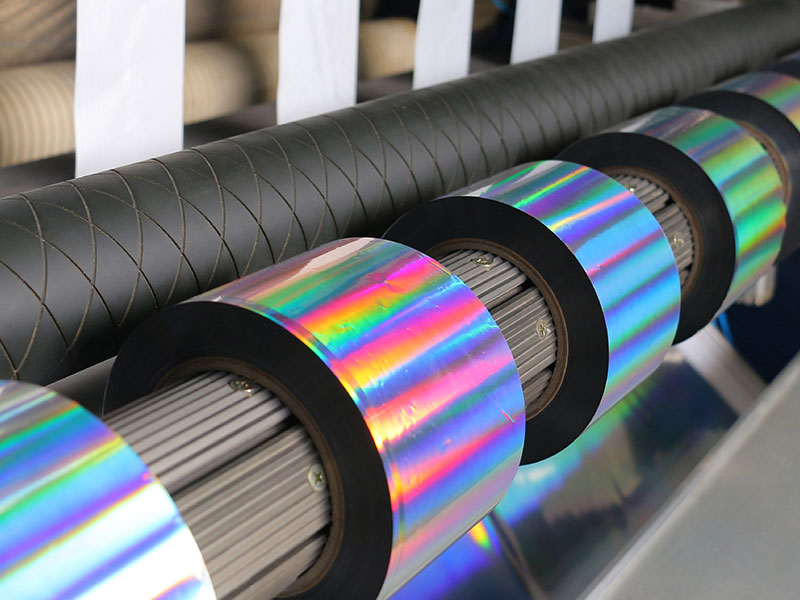
Slitting machine and cross-cutting machine are both machines used to cut materials, but they have some differences in their working principles and application fields.
1. How it works:
Slitter: A slitting machine is a machine that cuts materials from a wide large roll into narrow rolls, usually achieved by roller stretching and cutting mechanisms. The material is conveyed on the slitting machine, and after the action of the stretching and cutting mechanism, it is divided into narrow rolls.
Cross-cutting machine: A cross-cutting machine is a machine that cuts material from a wide large roll or sheet into short strips. This is usually achieved by means of conveyor belts and cutting mechanisms. The material is conveyed to the cutting mechanism via a conveyor belt and is cut to the desired length.
2. Applications:
Slitting machine: Slitting machine is mainly used in the processing industry of paper, plastic film, tape, fabric and other materials. It can cut wide raw materials into narrow rolls and is used in printing, packaging, bag making and other industries.
Cross-cutting machine: The cross-cutting machine is mainly used in the processing industry of wood, metal sheets, plastic plates and other materials. It can cut large rolls or large plates into the desired plates or strips and is used in industries such as furniture, construction, electronic equipment, etc.
In general, a slitting machine is to cut a wide material into a narrow coil, while a cross-cutting machine is to cut a wide material into short strips or plates. There are some differences in how they work and how they can be applied.
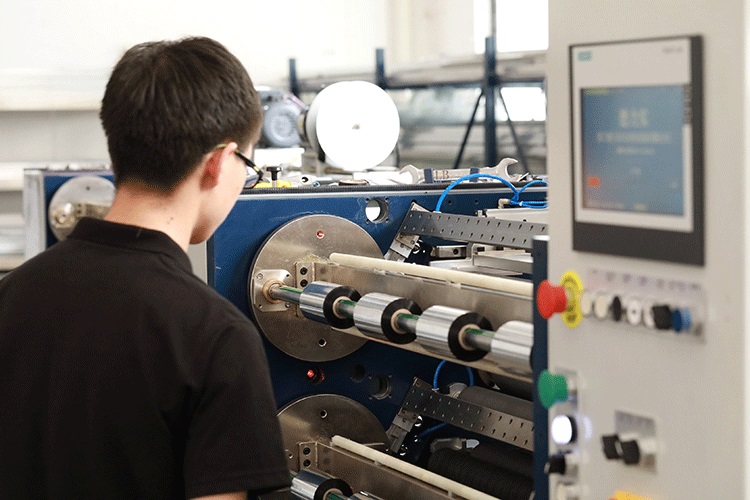
no need to buy a dedicated machine or gamble on a mismatched machine just because of a rushed resin-based washing order.
16. November, 2026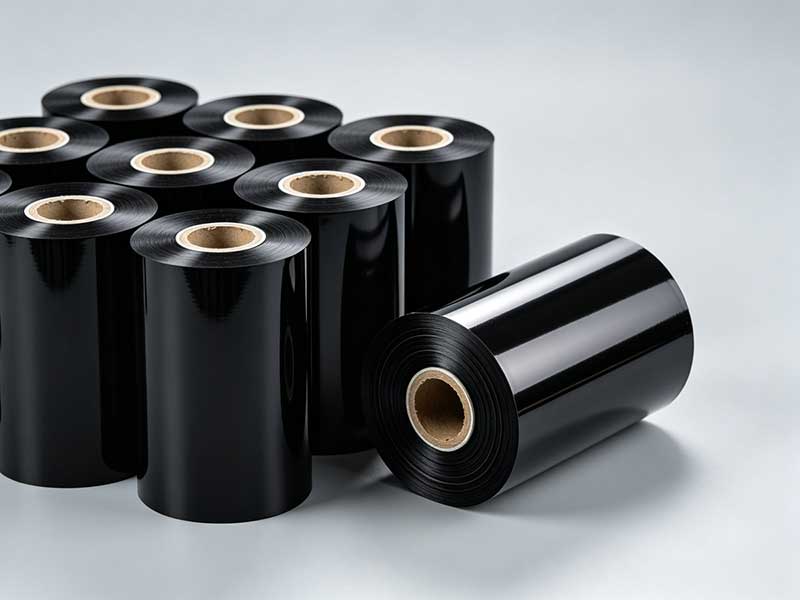
This article will start from symptom classification and provide a solution approach that progresses from simple to complex and can be quickly implemented.
16. November, 2026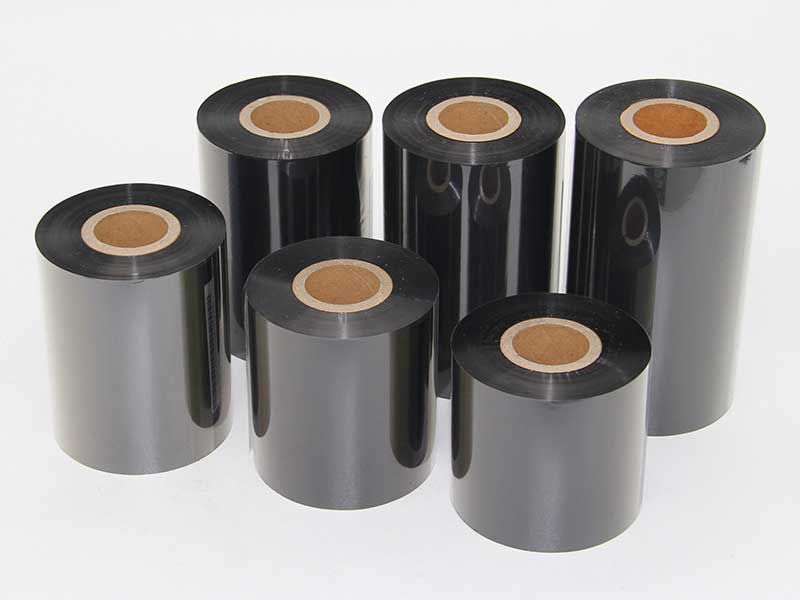
As a result, a well-calibrated high-precision ribbon slitting machine can stabilize width tolerances within ±0.05mm, and reduce the defect rate from 2% to 3% of ordinary equipment to below 0.3%.
16. November, 2026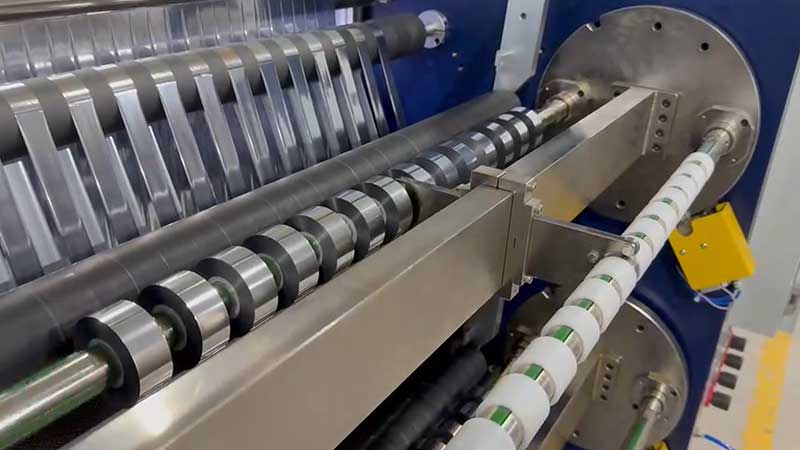
accuracy indicators will move from macro to micro, control logic will shift from experience to algorithms, and equipment roles will move from isolated islands to nodes.
10. November, 2026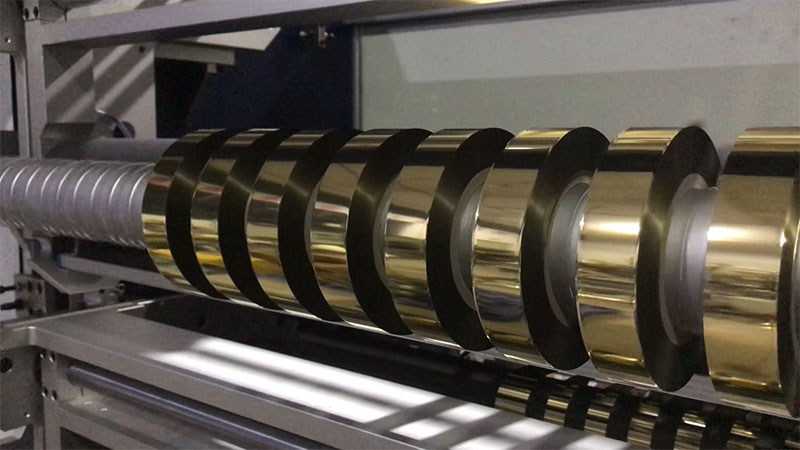
The following three application cases reveal the efficiency revolution currently underway in this area.
09. November, 2026


 English
 Deutsch
 Français
 Español
 Português
 日本語
 русский
 한국어
 عربي
 ภาษาไทย
 Tiếng Việt
 Italiano