
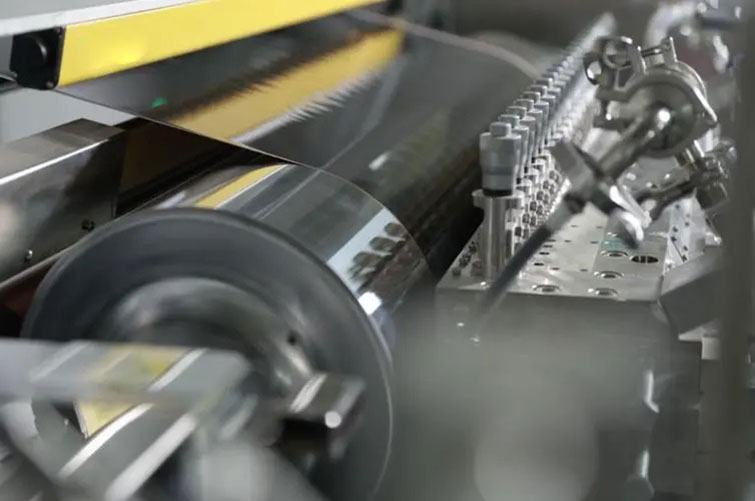
We also have to do some common ways to deal with the common faults of the slitting machine, so let's talk about the common faults of the slitting machine.
1. The slitting machine winding is uneven, mainly because the paper core is not applicable. Just change the core to the desired inner diameter. In addition, in the winding process, the winding pressure roller should be used to avoid the problem of uneven winding.
2. The meter is not accurate. When this problem occurs, the two wheels of the counting wheel can touch the feeding rubber roller at the same time and mark on the counting wheel. If you count 5 turns manually, then count 1 meter, otherwise replace.
3. When the middle part of the semi-finished product is loose, it is closely related to uneven gluing and uneven substrate. At this time, the bow roller should be adjusted to make its support flat, or the tension of the unwinding shaft should be increased, and the substrate should be compacted with a knife tube.
4. If there are wrinkles when the semi-finished product is wound, the pressure of the tensioning cylinder can be increased appropriately.
5. When the finished product is coiled, whether the tension of the winding shaft is too tight or closely related to the glue.
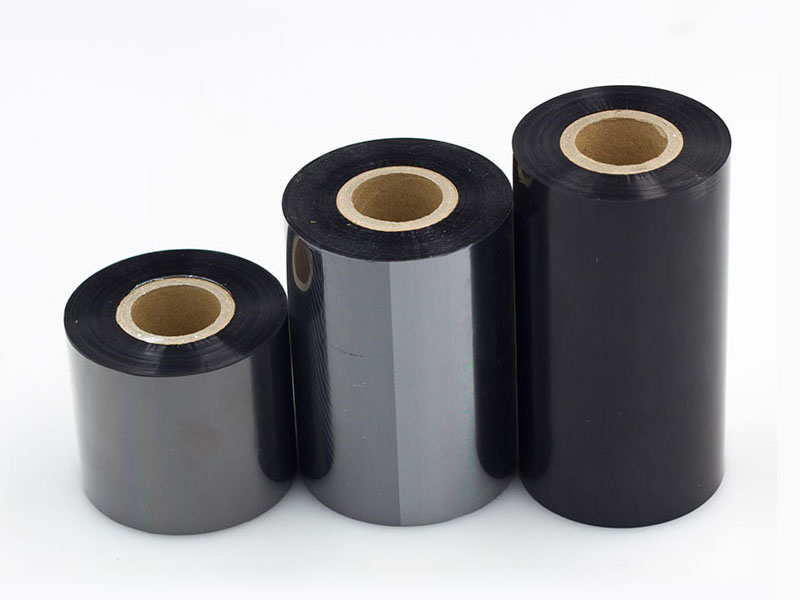
The value of the fully automatic ribbon slitting machine lies precisely in these two most basic criteria: precise cutting, minimal waste.
27. October, 2026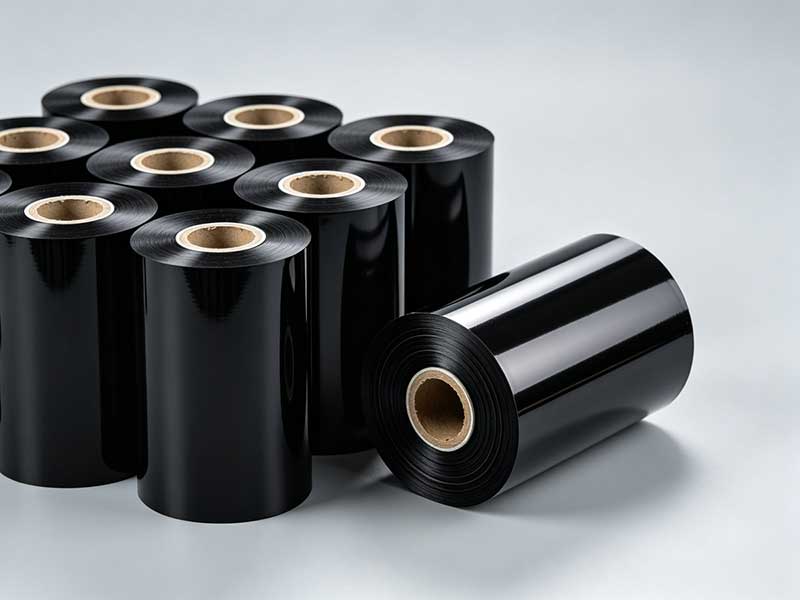
The widespread adoption of fully automatic ribbon slitting machines is changing this situation. Its core value can be summed up in six words: efficient, stable, and labor-saving.
22. October, 2026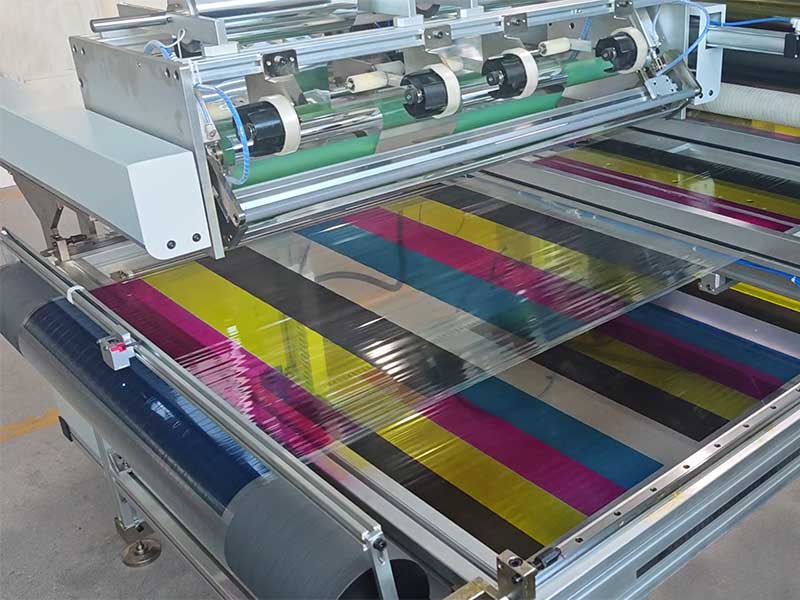
The color ribbon slitting machine is mainly used for wide roll slitting and rewinding of materials such as card printer color ribbons and thermal transfer ribbons.
21. October, 2026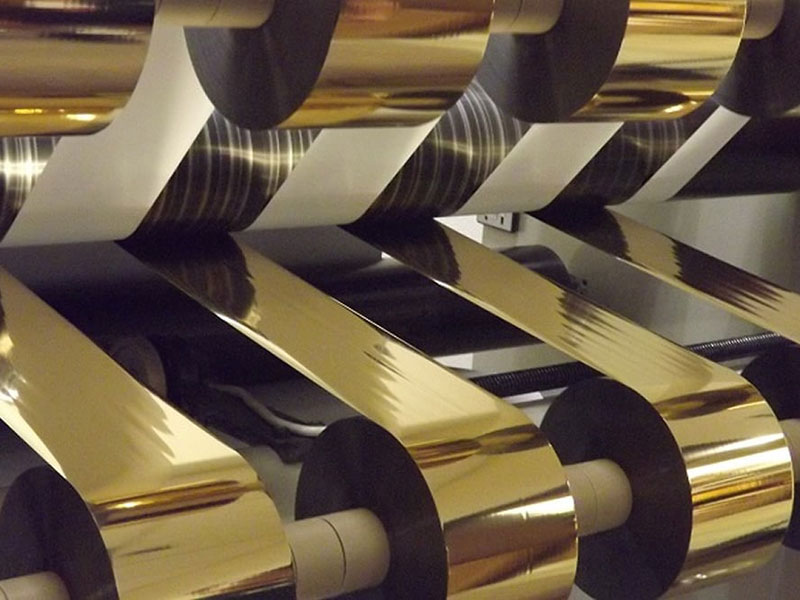
A mature automated system needs to form a closed loop simultaneously across four dimensions: correction, tension, cutting, and data management.
21. October, 2026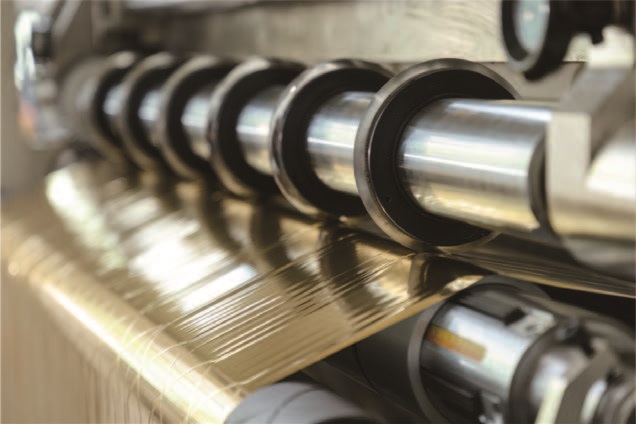
The value of customized slitting solutions lies in turning "cutting accurately, changing quickly, and no waste" from a slogan into a quantifiable production indicator.
21. October, 2026


 English
 Deutsch
 Français
 Español
 Português
 日本語
 русский
 한국어
 عربي
 ภาษาไทย
 Tiếng Việt
 Italiano