
Choosing a cost-effective slitter within your budget requires a comprehensive consideration of factors such as equipment performance, supplier service, and long-term cost. Here's a systematic procurement guide to help you make an informed decision:
First, clarify requirements and avoid functional redundancy
1. Material properties
◦ Determine the type of slitting material (film, paper, metal foil, composite, etc.) and thickness range.
◦ Special needs: whether anti-static, dust-free cutting, tension control, etc. are required.
2. Capacity requirements
◦ Maximum slitting width (e.g. 1500mm/2000mm), slitting speed (m/min), daily/monthly output.
◦ Whether automation functions are required (automatic tool change, web docking, in-line inspection).
3. Accuracy standards
◦ Slitting accuracy (e.g., ±0.1mm), edge flatness requirements, whether laser or round knife slitting is required.
Second, budget allocation strategy
1. Set a budget range
◦ Basic type: 100,000~500,000 yuan, high-end type: 500,000~2 million yuan.
◦ Reserve 10%~15% of the budget for accessories, installation or training.
2. Cost prioritization
◦ Core functions (e.g., tension control system, spindle accuracy) > extended functions (e.g., remote monitoring).
◦ Preferential modular design for later upgrades.
Third, the main points of supplier evaluation
1. Technology comparison
◦ Key component brands (e.g. Siemens PLC, Yaskawa servo motors).
◦ Investigate the actual case and ask for a slitting sample of the same material.
2. After-sales service
◦ Warranty period (at least 1 year), response time (24-hour on-site), spare parts availability.
◦ Free commissioning and operation training is available.
3. Cost-effective verification
◦ Compare 3~5 suppliers and ask for itemized quotations (equipment, freight, taxes, etc.).
◦ Preferential selection of manufacturers with local service outlets to reduce maintenance costs.
Fourth, tips to reduce long-term costs
1. Energy optimization
◦ Choose variable frequency motor or servo drive, which is 20%~30% more energy-saving than traditional motor.
2. Cost of wearing parts
◦ Inquire about the blade life (e.g., tungsten carbide blades can reach more than 6 months) and replacement price.
3. Used Equipment Options
◦ Consider 8 percent of new imported equipment (the price is about 40%~60% of the new machine), but you need to check the wear of the spindle.
Fifth, guide to avoiding pits
• Beware of low price traps: equipment that is more than 20% below the market price may cut corners (e.g., replacing precision bearings with ordinary bearings).
• Acceptance criteria: Specify parameters such as accuracy and noise in the contract, and agree on the treatment plan for failure to meet the acceptance standards.
• Payment method: 10%~20% of the balance will be paid after acceptance.
Sixth, recommend the procurement process
1. List of requirements → 2. Market Research → 3. Field Trip (Test Flight) → 4. Evaluation of contracts → 5. Installation acceptance.
With these steps, you can filter for equipment that meets your current production needs and is scalable within your budget. If you need further assistance, we can provide specific slitting materials and requirements to recommend the right model for you.
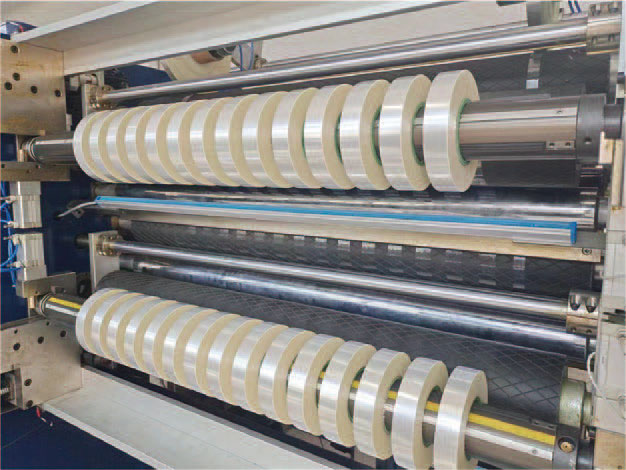
Faced with the dazzling array of models on the market, how can you clear away the spec fog and make wise decisions?
31. July, 2026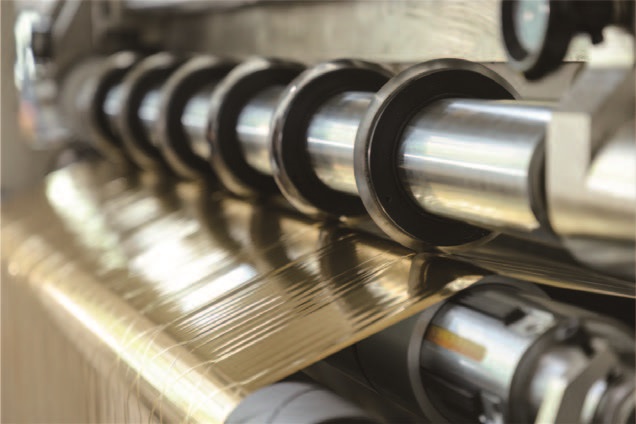
hot stamping foil slitting machines are comprehensively upgrading from traditional "cutting and fast cutting" to "precise, stable, and economical."
27. July, 2026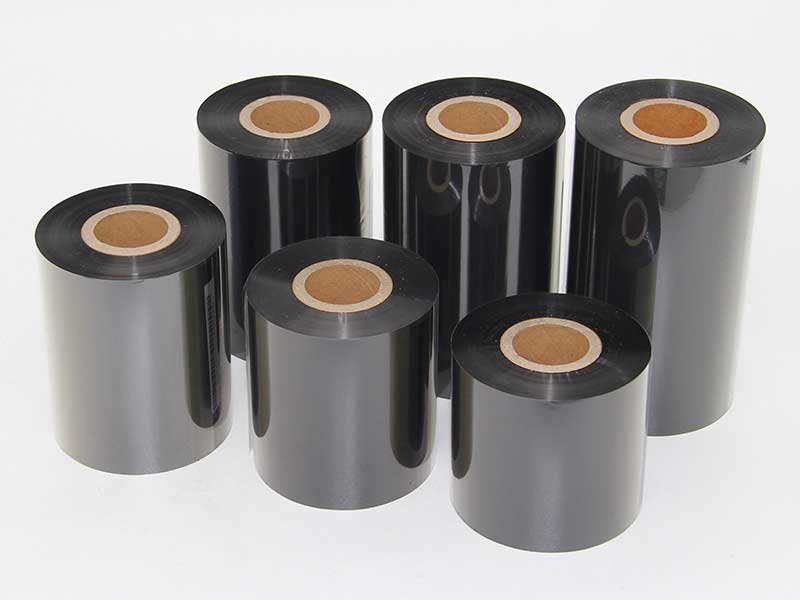
A good ribbon slitting machine is essentially a long-term investment in product quality.
27. July, 2026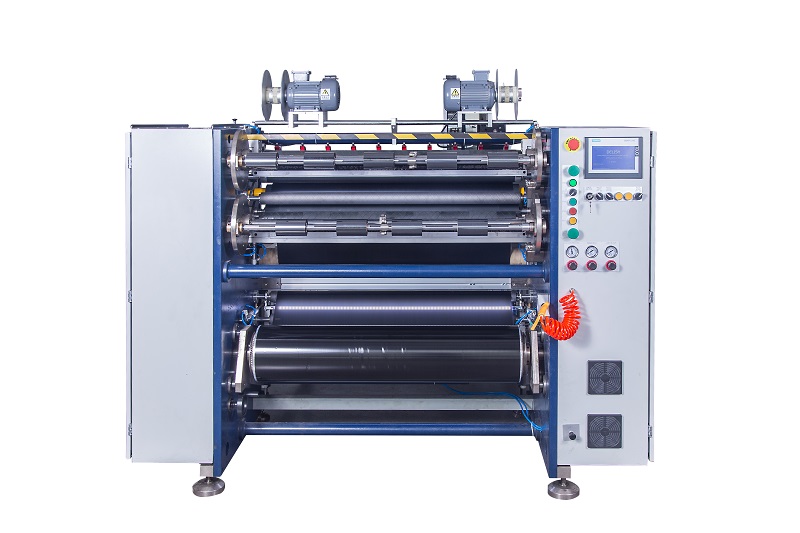
if you choose the right one, the finished product edges will be neat and the printing smooth; If you choose the wrong one, problems like burrs, broken bands, and uneven rolls will follow.
27. July, 2026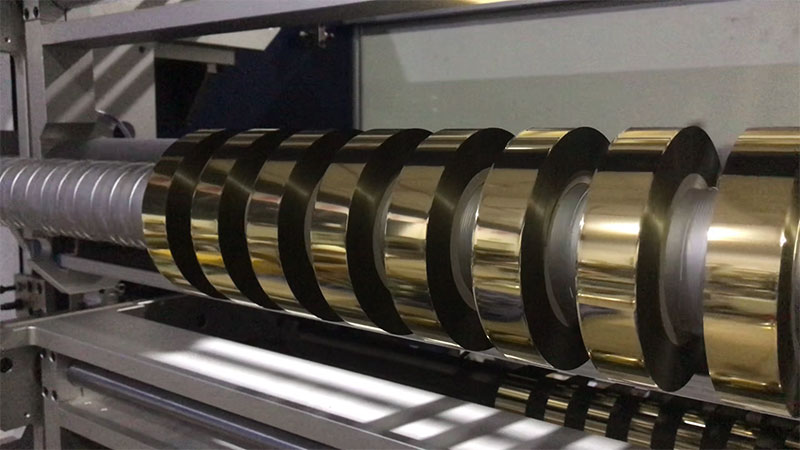
The technical advantages of mainstream manufacturers in the industry are mainly reflected in the following five dimensions.
25. July, 2026


 English
 Deutsch
 Français
 Español
 Português
 日本語
日本語 русский
 한국어
한국어 عربي
عربي ภาษาไทย
 Tiếng Việt
 Italiano