
When selecting the slitting machine configuration according to the material thickness (0.02-2mm), it is necessary to comprehensively consider the slitting accuracy, tension control, tool type, equipment rigidity and auxiliary system. Here are some suggestions for specific options:
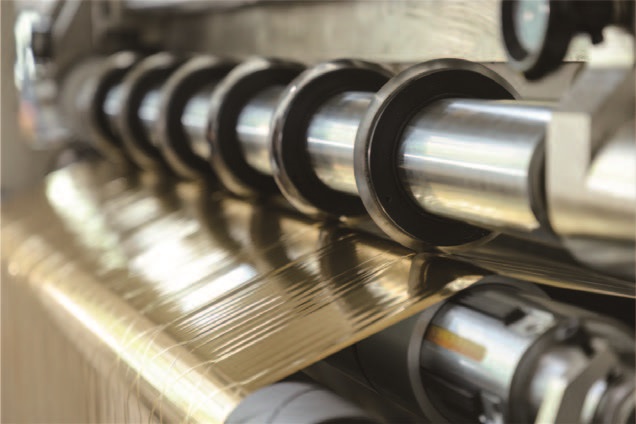
1. Slitter type selection
• Ultra-thin materials (0.02-0.1mm):
◦ Precision round knife slitting machine: Adopt high-precision pneumatic or servo-controlled round knife system to avoid material deformation.
◦ Laser slitting machine: suitable for extremely thin and fragile materials (such as film, copper foil), non-contact cutting, no burrs on the edges.
◦ Configuration requirements: high rigidity frame, micron-level deviation correction system, constant tension control (within 0.5% ±).
• Medium thickness (0.1-1mm):
◦ Flat knife or round knife slitting machine: flat knife is suitable for low-speed and high-precision (such as paper, PET sheet), and round knife is suitable for high-speed continuous slitting (such as plastic, metal foil).
◦ Requirements: servo-driven tools, dynamic tension control (±1%), automatic lubrication system.
• Thicker materials (1-2mm):
◦ Heavy-duty hydraulic slitting machine: Equipped with high-torque motor and hydraulic cutter, it is suitable for hard materials (such as rubber sheets, composite materials).
◦ Configuration requirements: high-power motor (more than 7.5kW), hydraulic or pneumatic pressing device, wear-resistant tools (tungsten steel or ceramic coating).
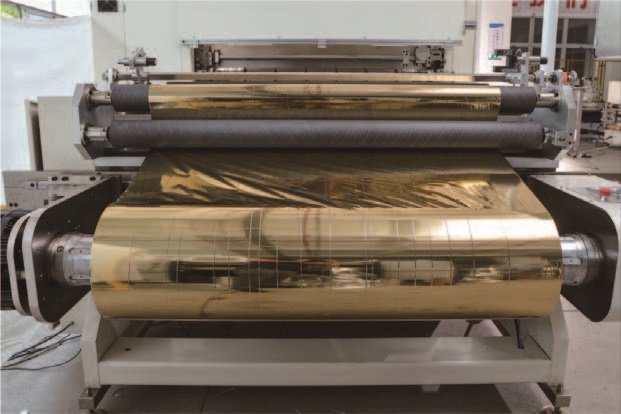
2. Key configuration parameters
• Tool selection:
◦ 0.02-0.5mm: diamond-coated round knife or laser knife with a cutting edge angle of ≤ 30°.
◦ 0.5-2mm: tungsten carbide flat knife or disc knife, cutting edge angle 45°-60°.
• Tension Control:
◦ Ultra-thin material: magnetic particle brake + closed-loop tension controller (accuracy ± 0.1N).
◦ Thick material: inverter motor + floating roller compensation.
• Slitting speed:
◦ Film (0.02mm): 100-300m/min (dust-free environment required)
◦ Thick plate (2mm): 5-20m/min (low speed and high torque).
• Web Guiding System:
◦ Photoelectric guiding (±0.1 mm) is used for transparent films, and ultrasonic guidance is used for opaque materials.
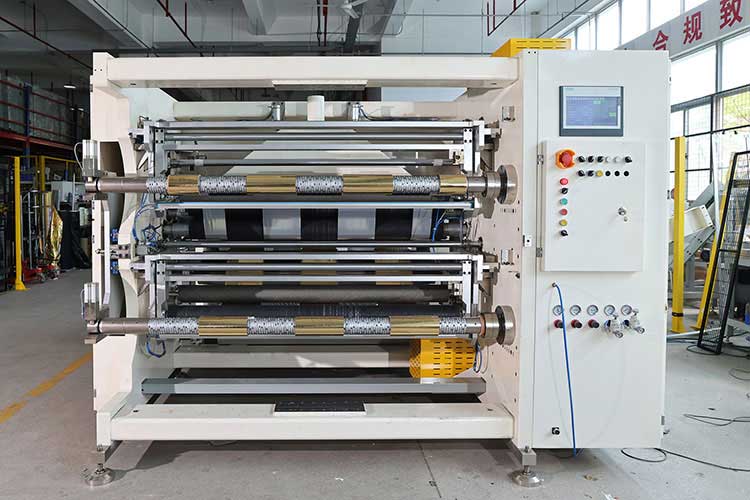
3. Adaptation of material properties
• Ductile materials (e.g. PE film): low-temperature slitting (with cooling rollers), low tension.
• Brittle materials (e.g. fiberglass): High-frequency vibrating tools reduce chipping.
• Adhesive materials (e.g. adhesive tape): anti-stick coated guide rollers, in-place cleaning device.
4. Additional feature suggestions
• 0.02-0.1mm:
◦ Static eliminator, dust-free take-up system.
• 1-2mm:
◦ Automatic scrap recycling, tool wear monitoring.
Configuration example
• Slitting 0.03mm foil:
◦ Laser slitting machine + air bearing guide roller + constant temperature workshop (±1°C).
• Slitting 1.5mm silicone sheet:
◦ Hydraulic flat knife slitting machine + 20 tons of pressing force + infrared edge system.
By matching the thickness of the material with the rigidity, precision and dynamic control ability of the slitting machine, problems such as slitting burrs, wavy edges or material stretching can be avoided to the greatest extent. It is advisable to perform a sample test first to optimize the parameters (e.g. tension gradient, tool clearance).
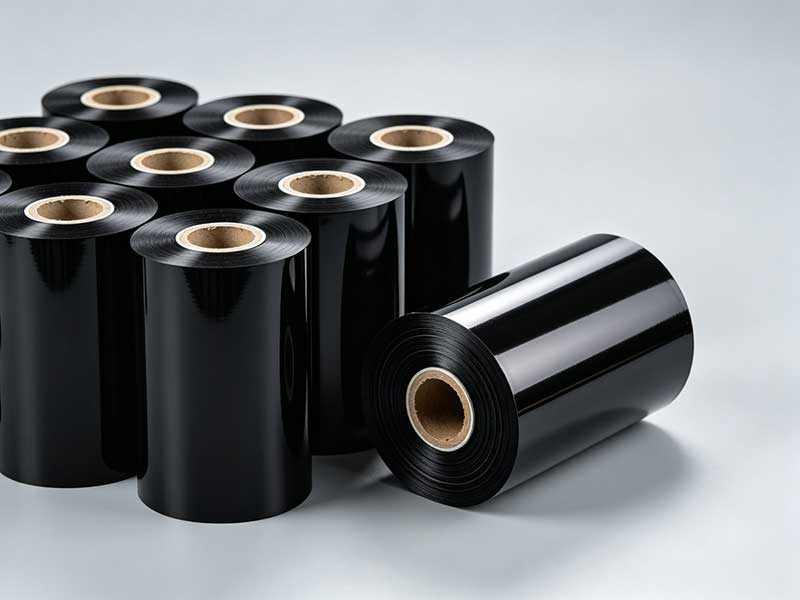
The widespread adoption of fully automatic ribbon slitting machines is changing this situation. Its core value can be summed up in six words: efficient, stable, and labor-saving.
22. October, 2026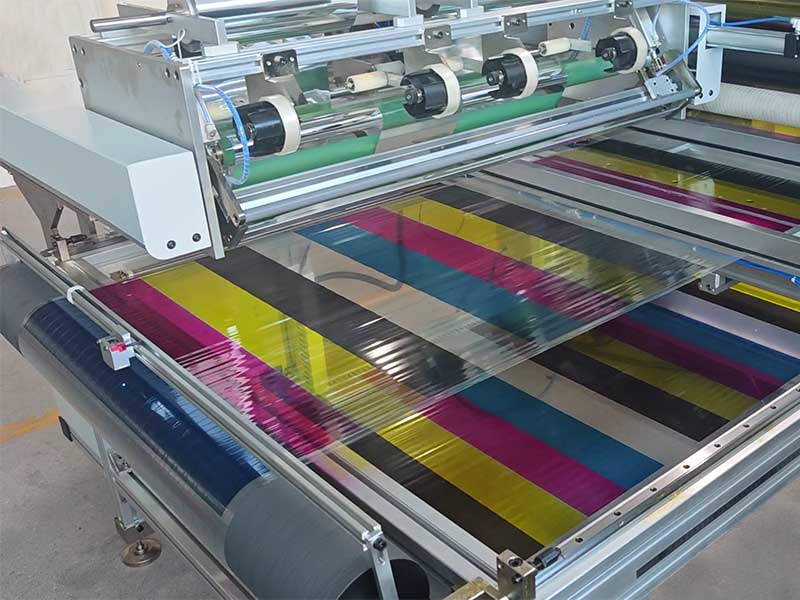
The color ribbon slitting machine is mainly used for wide roll slitting and rewinding of materials such as card printer color ribbons and thermal transfer ribbons.
21. October, 2026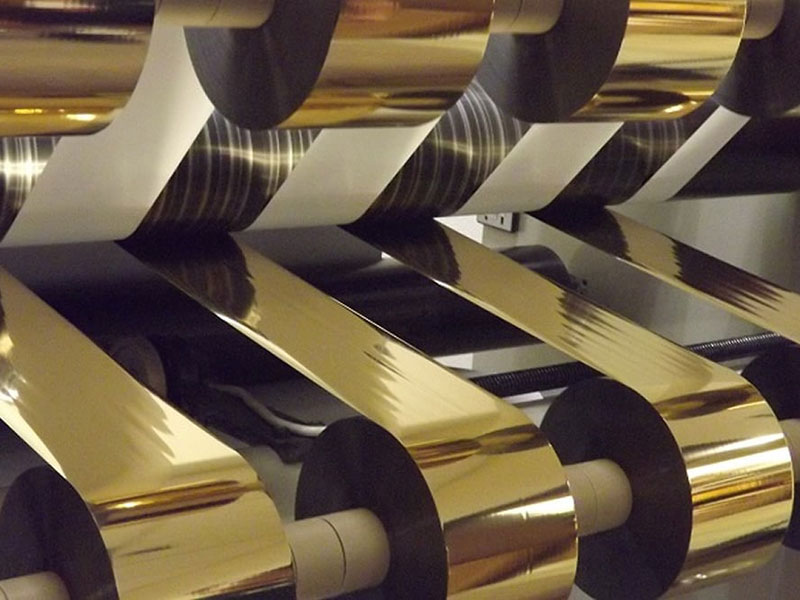
A mature automated system needs to form a closed loop simultaneously across four dimensions: correction, tension, cutting, and data management.
21. October, 2026The value of customized slitting solutions lies in turning "cutting accurately, changing quickly, and no waste" from a slogan into a quantifiable production indicator.
21. October, 2026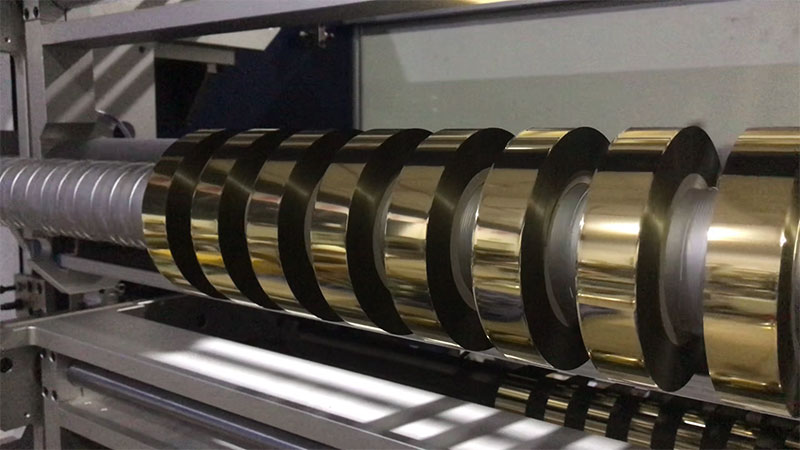
This article focuses on the two subsystems of unwinding and rewinding, explaining their functional composition, control logic, and key points of common adjustments.
21. October, 2026


 English
 Deutsch
 Français
 Español
 Português
 日本語
日本語 русский
 한국어
한국어 عربي
عربي ภาษาไทย
 Tiếng Việt
 Italiano