
In label printing, packaging identification, medical labeling and other industries, ribbon is the core consumables of thermal transfer printing. As the last process of ribbon production, the performance of the ribbon slitting machine directly determines the quality, utilization rate and production cost of the finished ribbon. The core criterion for judging the quality of a ribbon slitting machine is its ability to avoid slitting losses.

Slitting loss: a hidden cost black hole
Ribbon slitting losses typically manifest as:
• Material waste: edge waste generated during the slitting process, whole roll scrap due to cutting deviation
• Quality defects: edge burrs, curling, and uneven tension affect the printing effect
• Downtime losses: Reduced productivity due to frequent adjustments and tool changes
• Follow-up problems: Poor slitting leads to broken tapes, cassettes and other failures during the printing process of customers
These losses may seem small, but they can add up to a significant cost burden in mass production. According to statistics, on a production line with poor slitting technology, material loss can be as high as 5%-8%, and a good slitting machine can control this figure within 1%.
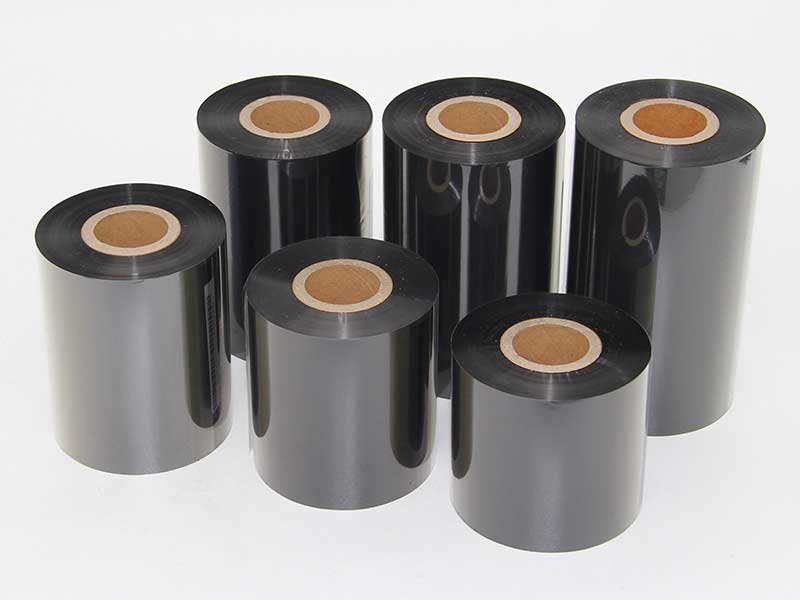
The five core criteria for high-quality ribbon slitting machines
1. Precision cutting system
• High-precision blades and tool holders: High-quality slitting machines feature cemented carbide or diamond-coated blades, ensuring smooth and burr-free cutting edges
• Intelligent tool position adjustment: Automated tool pitch adjustment system reduces manual adjustment errors and downtime
• Vibration Control Technology: Minimizes vibrations during cutting, ensuring flatness of the face
2. Intelligent tension control system
• Multi-stage closed-loop tension control: multi-point tension monitoring and automatic adjustment from unwinding to winding
• Taper tension setting: Automatically adjusts the tension curve as the roll diameter changes, preventing tightness inside and outside
• Automatic protection of broken belts: Automatically stop the machine when the tension is abnormal to avoid material waste and equipment damage
3. High-precision edge guidance and correction system
• Photoelectric or ultrasonic edge detection: real-time monitoring of ribbon edge position with an accuracy of up to ±0.1mm
• Automatic Correction Device: Dynamically adjusts the material position during the slitting process to ensure slitting straightness
• Pre-alignment function: automatic alignment during feeding, reducing initial adjustment time
4. Intelligent production management system
• Production Data Traceability: Record the slitting parameters of each ribbon roll for easy quality traceability
• Automatic scheduling optimization: Intelligently calculate the most material-saving slitting plan based on order demand
• Real-time monitoring of losses: Real-time display of material utilization during the production process, and timely detection of abnormalities
5. Humanized operation and maintenance design
• Quick tool change system: reduces tool change time and operation difficulty
• Easy to clean structure: prevents toner buildup from affecting the slitting accuracy
• Preventive maintenance tips: Maintenance reminders based on operating hours to avoid sudden breakdowns
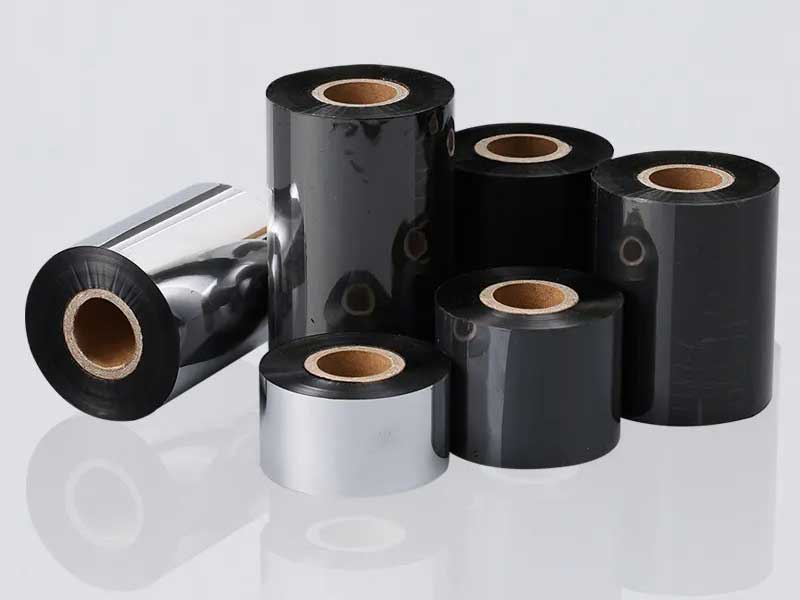
Technological evolution: from mechanical control to intelligent integration
Modern high-quality ribbon slitting machines are developing in the direction of high intelligence:
• IoT Integration: Remotely monitor equipment status and production data in real-time
• Machine vision quality inspection: online detection of slitting quality and automatic rejection of unqualified products
• AI Optimization Algorithm: Continuously optimizes slitting parameters by learning from historical data
• Energy-Efficient Design: Reduces energy consumption while reducing the impact of heat energy on materials
Return on Investment: The long-term value of a quality slitting machine
Choosing a high-quality ribbon slitting machine may seem like a higher initial investment, but the long-term rewards are significant:
• Direct material savings: Reduce losses by 3%-5%, and save considerable annual material costs
• Quality Improvement: Reduce customer complaints and return losses, enhancing brand reputation
• Increased Productivity: Reduces downtime and increases effective production time
• Reduced Labor Costs: Automated operations reduce reliance on skilled mechanics
Epilogue
In the field of ribbon production, slitting machines are no longer simple cutting tools but core equipment integrating precision machinery, intelligent control, and process optimization. Avoiding slitting losses is not only a technical indicator, but also a reflection of the core competitiveness of ribbon manufacturers. Investing in a quality slitting machine essentially means investing in a more efficient production process, more consistent product quality, and more sustainable profitability.
With the development of material science and digital technology, the future ribbon slitting machine will continue to evolve in the direction of "zero loss and full intelligence". Those companies that can take the lead in mastering this core technology will take the lead in the increasingly fierce market competition and maximize the value of every inch of the ribbon.
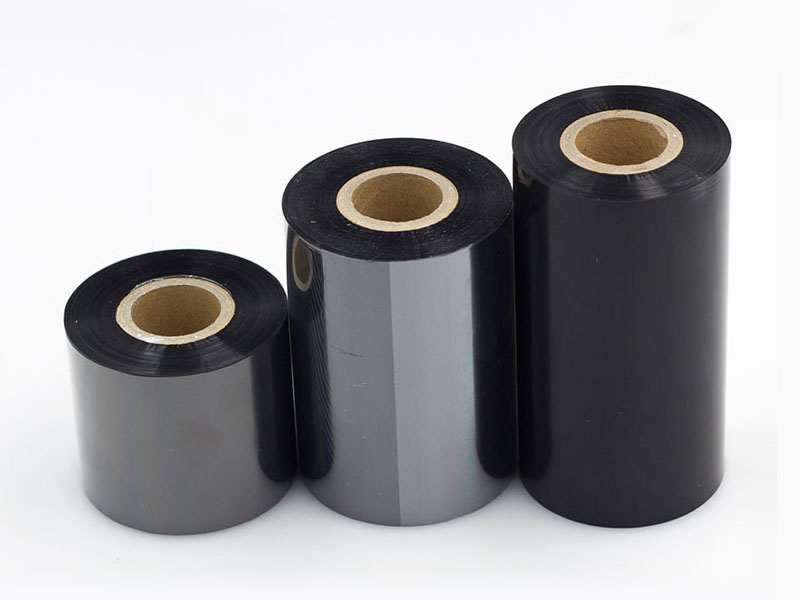
The value of the fully automatic ribbon slitting machine lies precisely in these two most basic criteria: precise cutting, minimal waste.
27. October, 2026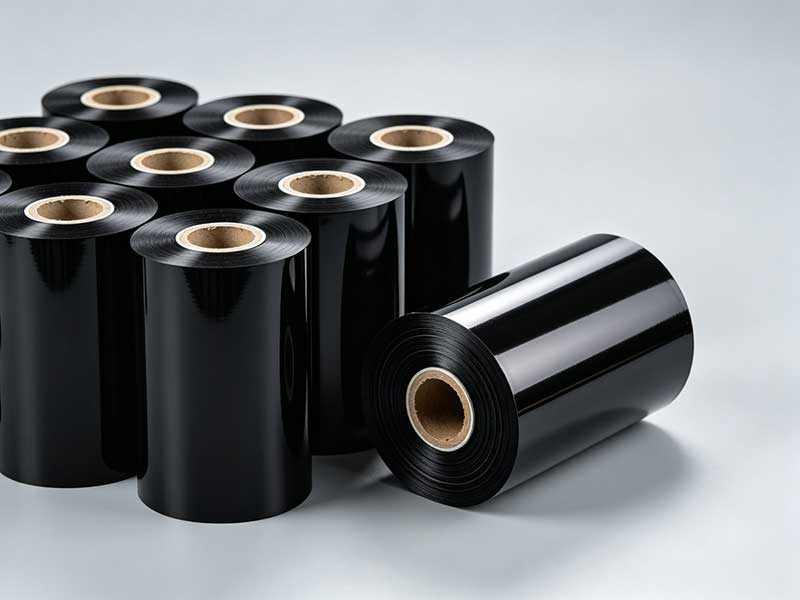
The widespread adoption of fully automatic ribbon slitting machines is changing this situation. Its core value can be summed up in six words: efficient, stable, and labor-saving.
22. October, 2026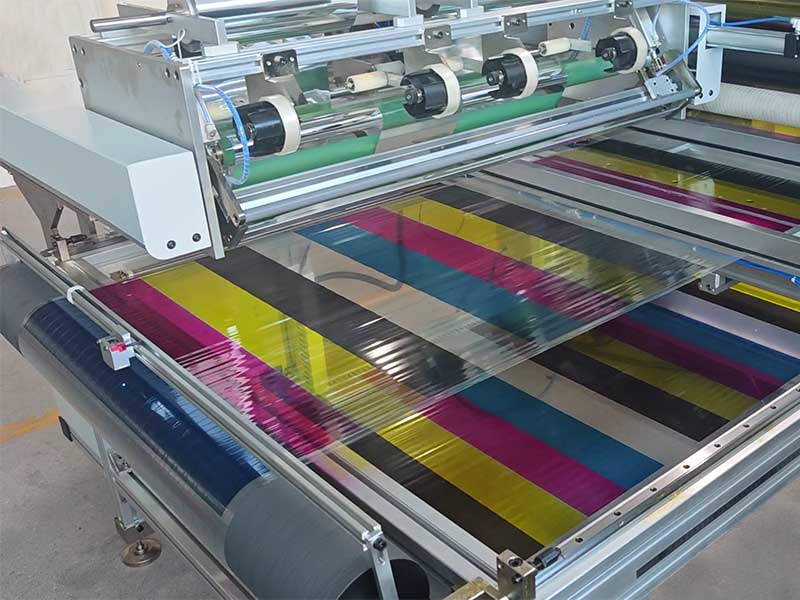
The color ribbon slitting machine is mainly used for wide roll slitting and rewinding of materials such as card printer color ribbons and thermal transfer ribbons.
21. October, 2026This article will break down the technical core of this function from four dimensions: signal detection, control logic, shutdown strategy, and precision calibration.
19. October, 2026The value of the automatic correction function lies in incorporating this runaway variable into a precise closed loop, shifting slitting operations from "post-event selection" to "real-time self-heali
19. October, 2026


 English
 Deutsch
 Français
 Español
 Português
 日本語
日本語 русский
 한국어
한국어 عربي
عربي ภาษาไทย
 Tiếng Việt
 Italiano