
In the field of precision slitting processing of materials such as heat transfer ribbons, packaging films, and electronic films, the issue of film material vibration during the low-speed startup phase has long troubled industry practitioners. This pain point not only affects slitting accuracy and causes material waste, but also directly restricts equipment processing efficiency and yield rates. In recent years, with innovations in ribbon slitting machine control technology and mechanical structure optimization, this problem has finally received a systematic solution.
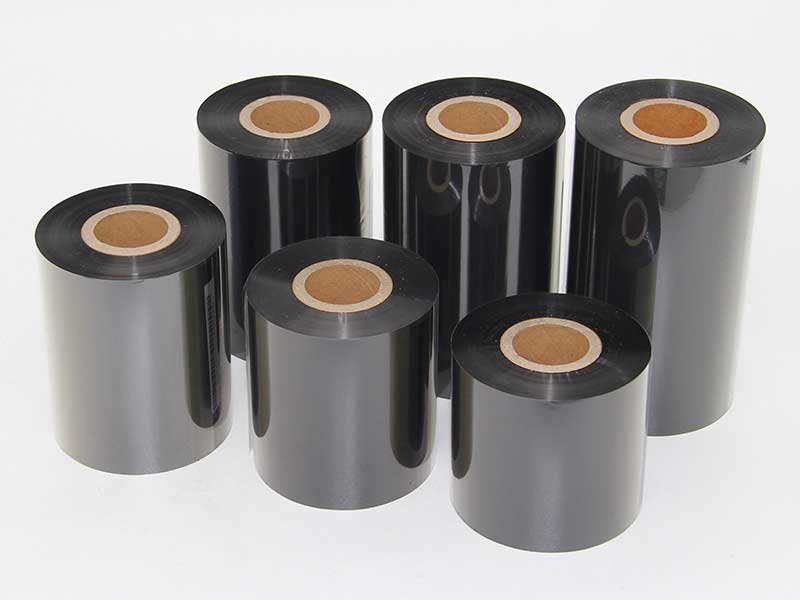
1. Low-Speed Start Shaking: Why Has It Been a Long-Standing Challenge
The operation of the film material on the slitting machine is essentially a precise coordination of tension control and synchronized speed. During the low-speed startup phase of equipment (usually 5-30m/min), the following issues are prone to occur:
• Inertial impact: When the motor runs from standstill to low speed, the torque output becomes unstable, causing the film material to stretch or loosen instantly
• Nonlinearity of damping: Mechanical components such as guide rollers and slip shafts fluctuate in friction coefficients at low speeds, which accumulate to cause jitter
• Airflow interference: Light thin films (such as thicknesses below 4.5μm) are easily affected by ambient airflow at low speeds, causing drift
• Tension feedback lag: Traditional PID controllers have insufficient response at low frequencies and cannot promptly correct minor tension fluctuations
These factors work together to cause periodic wavy folds and serpentine edges during the startup phase, and in severe cases, membrane breakage or core eccentricity.
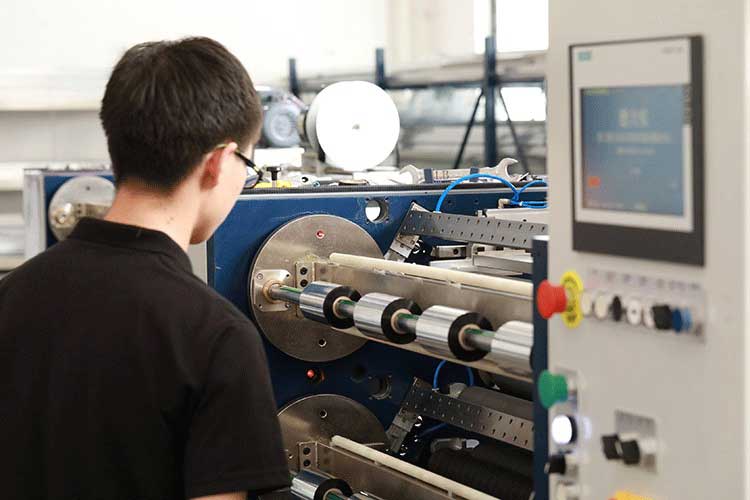
2. Technological Breakthroughs: Three Core Solutions
Currently, mainstream ribbon slitting machine manufacturers have systematically solved the low-speed jitter problem from three dimensions: drive, control, and structure.
1. High-precision vector frequency conversion + servo direct drive technology
Traditional asynchronous motors paired with ordinary frequency converters exhibit noticeable torque pulsation at low speeds. The new generation of equipment uses closed-loop vector control frequency converters combined with permanent magnet synchronous servo motors to achieve zero-speed full torque output. The driver is equipped with a built-in low-frequency vibration suppression algorithm that actively compensates for motor cogging torque fluctuations. Some high-end models further adopt direct-drive torque motors, eliminating intermediate transmission links such as reducers and belts, completely eliminating the impact of backlash and elastic deformation on low-speed smoothness.
2. Dual closed-loop adaptive tension control
Based on the traditional dual closed-loop velocity and current, floating roller tension detection or high-precision weighing sensors are added, forming a three-ring control system consisting of position loop, speed loop, and current loop. The controller uses a fuzzy PID + feedforward compensation algorithm:
• Before startup, the system automatically preloads to 80% of the target tension
• During startup, the actual tension of the film material is detected in real time and the deviation from the set value, and the winding/unwinding torque is dynamically adjusted
• Stores multiple tension-velocity curve parameters for different materials (PET, wax-based, resin-based, etc.) and thickness (4.5-12μm).
Actual tests show that this scheme can control tension fluctuations in low-speed zones within ±3%, far outperforming the traditional solution of ±15%.
3. Low inertia guide roller and air buoyancy friction reduction design
Innovations in mechanical structure are equally crucial:
• Carbon fiber or aluminum-magnesium alloy guide rollers are used to reduce rotational inertia, making the roller body more responsive to tension changes
• Ultra-fine polishing + ceramic coating on the guide roller surface, combined with low friction coefficient bearings, reduces static friction coefficient to below 0.05
• Some models introduce air-floating bearing guide rollers, using compressed air to form a micron-level air film between the roller surface and the membrane, achieving non-contact guidance and fundamentally eliminating vibration caused by friction

3. Practical Application Results
Taking a brand's new generation ribbon slitting machine as an example, when slitting resin-based ribbons 6μm thick and 500mm wide:
| Indicators | Traditional models | New technology models |
| Minimum stable operating speed | 12m/min | 3m/min |
| Fluctuation amplitude of membrane material in the startup section | ±4mm | ±0.5mm |
| Initiate scrap rate | 8-12% | <1.5% |
| Edge straightness | 0.8mm/m | 0.15mm/m |
When slitting ultra-thin 4.5μm polyimide films, the new technology models can still start stably, whereas traditional equipment is almost impossible to produce normally.
4. Future Outlook
With the introduction of Industrial Internet of Things (IIoT) and edge computing technologies, the next-generation ribbon slitting machine is expected to achieve self-learning low-speed jitter suppression: the device collects actual response data from the film material at each startup and uses AI models to optimize control parameters online, continuously evolving low-speed startup performance. At the same time, the machine vision-based real-time edge detection system can proactively predict jitter trends and intervene in advance, turning passive compensation into active suppression.
The complete resolution of low-speed start vibration in ribbon slitting machines not only greatly enhances the equipment's processing capability for ultra-thin, wide, and high-value film materials, but also provides a reference control paradigm for the entire coil precision processing industry. This pain point, once seen as "insurmountable by physical laws," has finally become a thing of the past through the intersection of modern servo control and precision mechanical engineering.
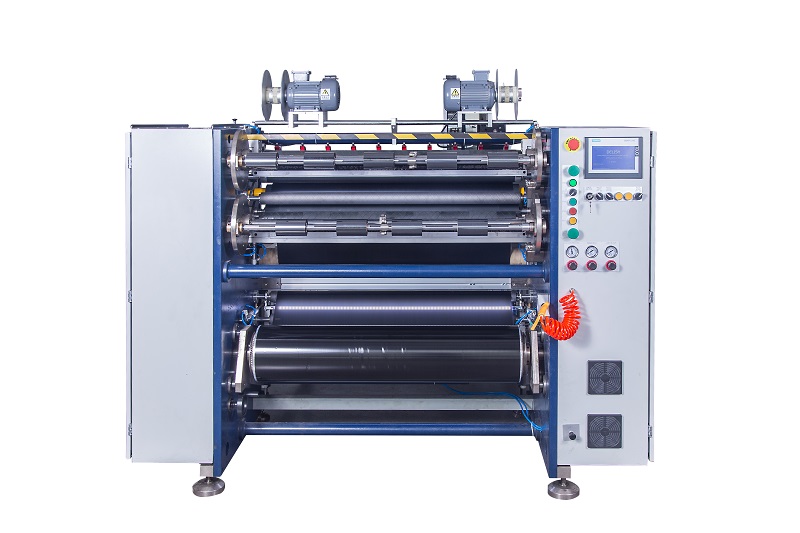
The barcode ribbon slitting machine can not only cut and heat transfer ribbons; it is a precision device designed and optimized for this task.
14. October, 2026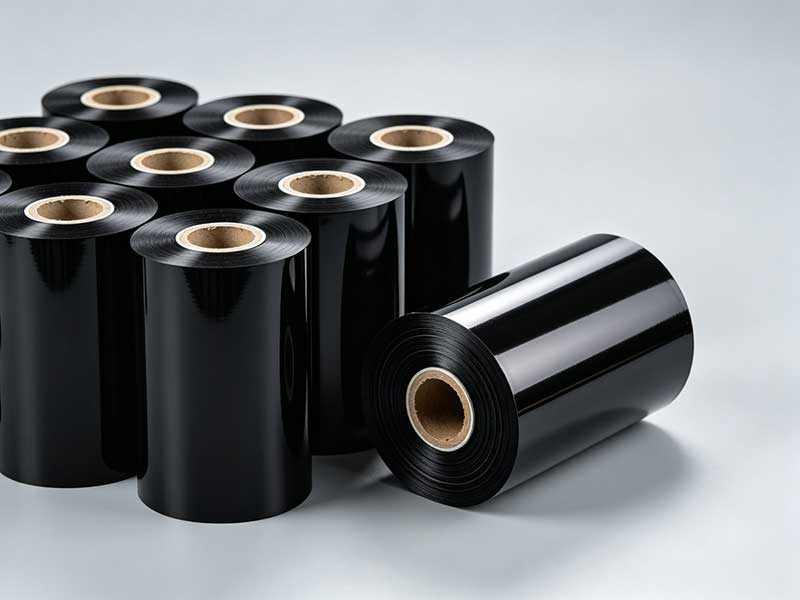
Currently, mainstream barcode ribbon slitting machines on the market generally support slitting processing of the following three main types of ribbon materials.
14. October, 2026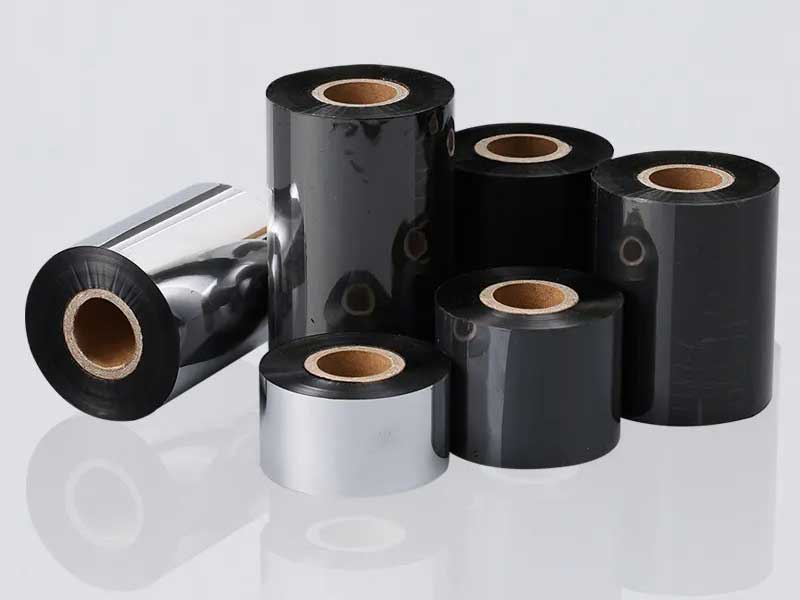
Below is a customized requirements clarification framework for purchasers, helping you turn requirements into actionable solutions in language engineers can understand.
14. October, 2026the key to choosing a model is not to pursue the "highest configuration," but to find a balance that matches your own business.
12. October, 2026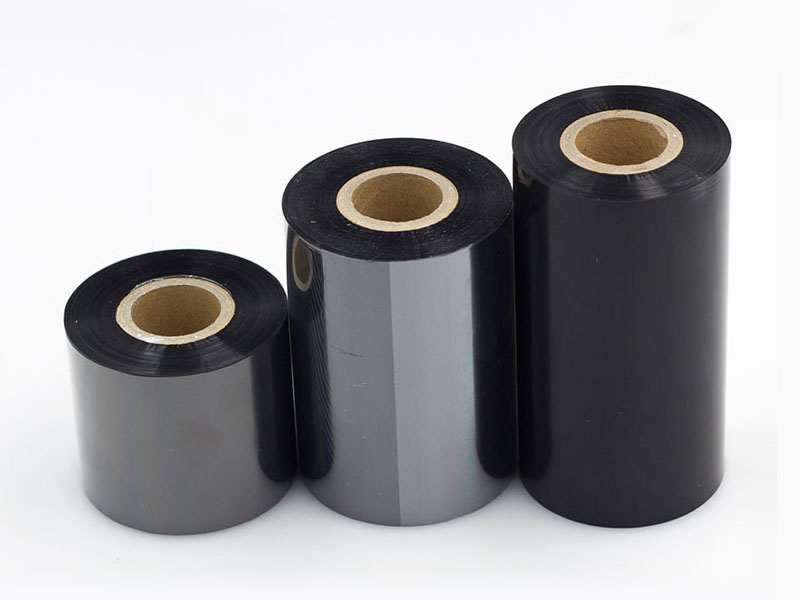
The coating formula, base film characteristics, and physical specifications of the ribbon directly affect the suitability and yield of the slitting machine.
09. October, 2026


 English
 Deutsch
 Français
 Español
 Português
 日本語
日本語 русский
 한국어
한국어 عربي
عربي ภาษาไทย
 Tiếng Việt
 Italiano