
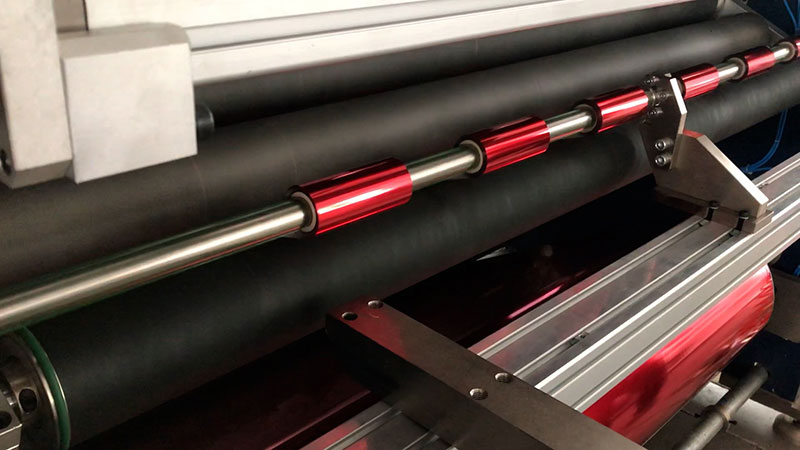
Slitting machine is a kind of mechanical equipment that slits wide paper, mica tape or film into multiple narrow strips, and is commonly used in papermaking machinery, wire and cable mica tape and printing and packaging machinery.
Slitting machine standard operation manual:
1. The slitting machine sets the shutdown and deceleration parameters and starts the equipment. Use the P1 function of the color counter to set the distance from the label, and the actual distance value should be × 2 when setting. After the machine is stopped, use a ruler to measure the error distance of the upper and lower color scales.
2. Press the benchmarking button again, the slitting machine will automatically return the label according to the memory data, after the end of the label withdrawal action, move the lower photoelectric switch to the middle position of the color mark, and adjust the sensitivity of the photoelectric switch to complete.
3. Build according to the settings, and the color code will be automatically aligned according to the set value. Move the slitting machine to the right end of the benchmarking switch, start the equipment to complete a roll, if there is an error, just move the photoelectric switch accordingly. For example, if the color scale of the next layer exceeds the color scale of the upper layer by 5 mm, you only need to move it down by 5 mm.
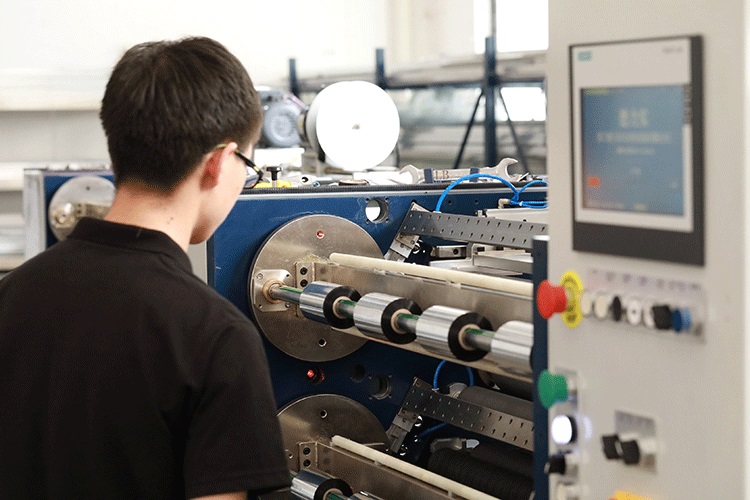
no need to buy a dedicated machine or gamble on a mismatched machine just because of a rushed resin-based washing order.
16. November, 2026
This article will start from symptom classification and provide a solution approach that progresses from simple to complex and can be quickly implemented.
16. November, 2026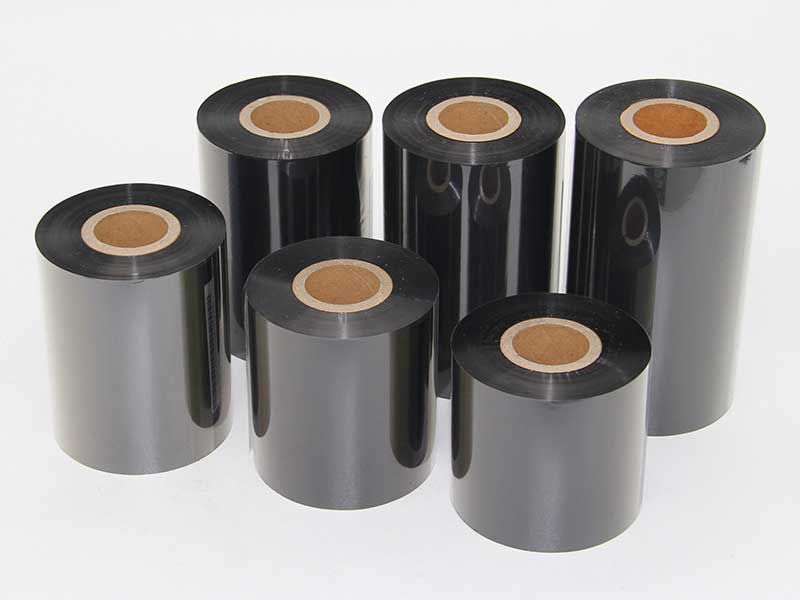
As a result, a well-calibrated high-precision ribbon slitting machine can stabilize width tolerances within ±0.05mm, and reduce the defect rate from 2% to 3% of ordinary equipment to below 0.3%.
16. November, 2026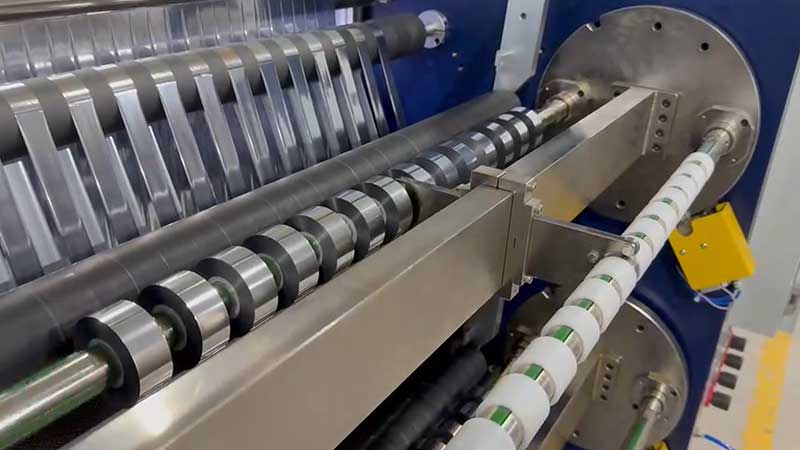
accuracy indicators will move from macro to micro, control logic will shift from experience to algorithms, and equipment roles will move from isolated islands to nodes.
10. November, 2026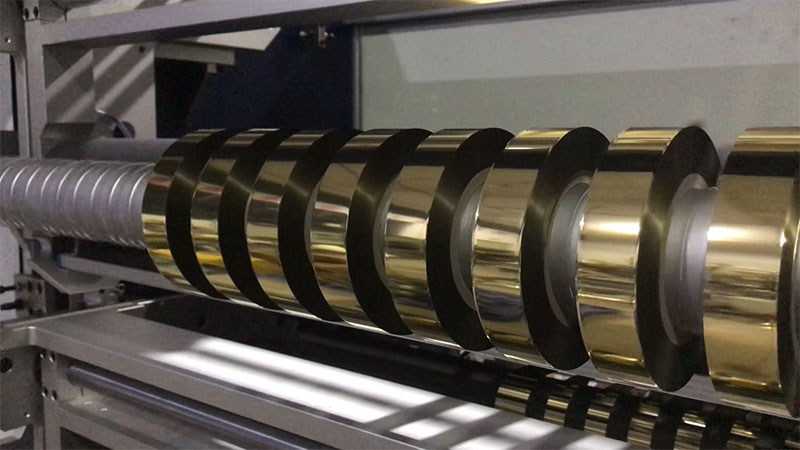
The following three application cases reveal the efficiency revolution currently underway in this area.
09. November, 2026


 English
 Deutsch
 Français
 Español
 Português
 日本語
 русский
 한국어
 عربي
 ภาษาไทย
 Tiếng Việt
 Italiano